
Survey: Rental developers exploring prefab, modular methods
45% of developers are now incorporating modern methods of construction.
Key Takeaways:
- Adoption of modern construction methods among Canadian rental developers surged from ~20% last year to 45% in 2026, driven by a push to lower costs and bypass build delays.
- Developers are shifting toward long-term “develop-and-hold” strategies and 30-year amortizations to maintain project feasibility amid elevated construction costs and softening rent growth.
- Despite record purpose-built rental starts and long-term demand optimism, CMHC warns overall supply remains insufficient to address decade-long national affordability targets.
The Whole Story:
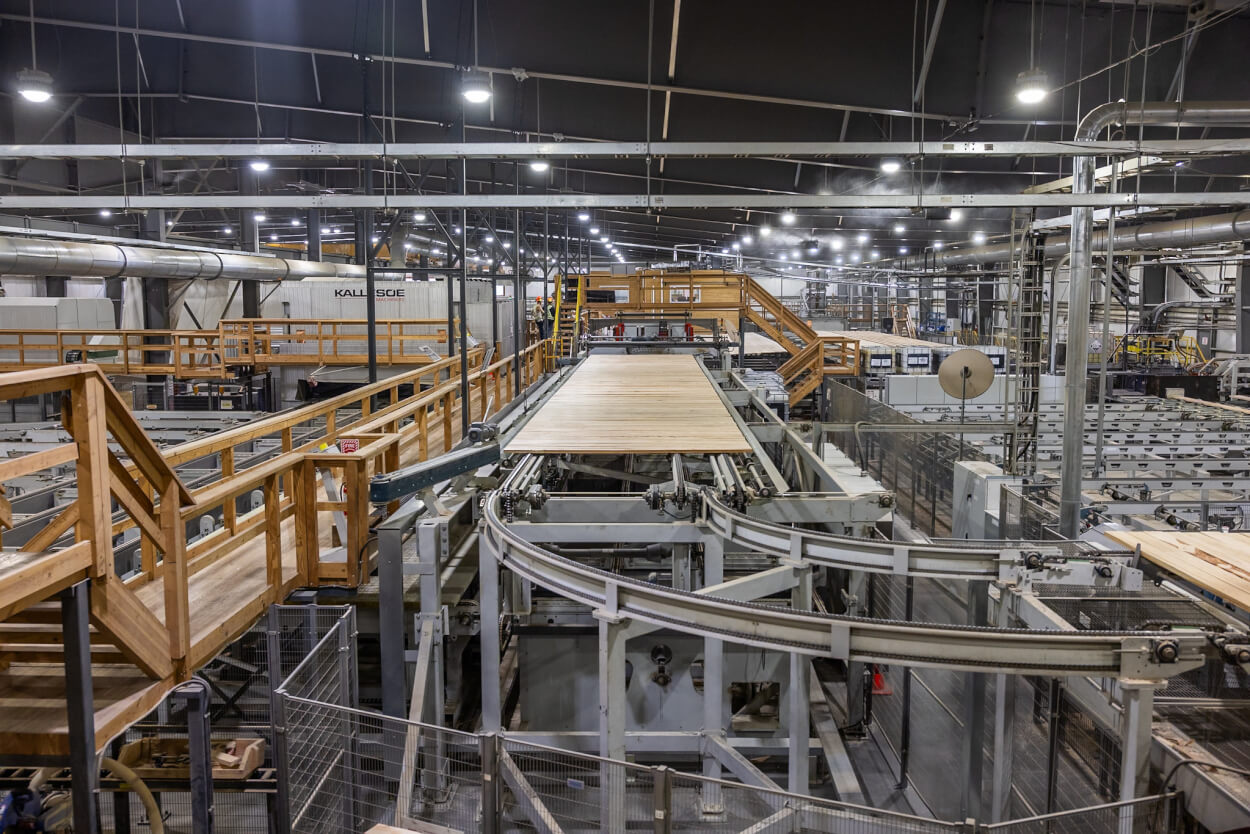
Canadian homebuilders are increasingly turning to prefabrication and advanced construction technology to cut costs and navigate project delays, with adoption rates more than doubling in a single year, according to new data from Canada Mortgage and Housing Corporation (CMHC).
The housing agency’s 2026 Rental Housing Development Survey reveals that roughly 45% of developers are now incorporating modern methods of construction—such as off-site prefabricated components—up from approximately 20% in last year’s survey. The shift comes as builders seek new efficiencies to offset lengthy regulatory approvals, rising municipal fees, and macroeconomic uncertainty.
Speaking on CMHC’s In-House podcast, Deputy Chief Economist Aled ab Iorwerth described the surge in tech adoption as a fundamental “sea change” for an industry traditionally slow to innovate.
“We hear a lot about modern methods of construction… But I think this survey was the first time I saw real evidence that people are actually starting to adjust,” ab Iorwerth said. “I’m starting to detect some sort of sea change in the industry that they need to be exploring new technologies, new innovation in order to build even more houses given the demand is so enormous.”
The survey paints a picture of a sector caught between short-term market pressures and strong long-term demand. While purpose-built rental starts are at historic highs—causing vacancy rates to edge up and rent growth to moderate in some markets—developers report that project economics remain tight. High construction costs and sluggish demand for higher-end units have made many planned projects financially precarious.
To manage near-term volatility, developers are adjusting their business models. Rather than constructing and selling off properties to short-term investors, more builders are adopting a “develop-and-hold” strategy, retaining rental assets on their balance sheets for the long haul. Developers are also shifting toward longer 30-year amortization periods, up from traditional 25-year terms, to lower monthly debt payments and protect cash flow.
Financing availability itself is not a major bottleneck. CMHC noted that the vast majority of firms maintain solid access to credit, with only 10 percent citing increased difficulty securing development loans.
Despite current headwinds, more than half of survey respondents remain optimistic about long-term rental demand over the next five to ten years. However, ab Iorwerth cautioned that current construction rates are still failing to keep pace with structural shortfalls, particularly for low- and mid-income tenants in high-cost metropolitan centers like Toronto and Vancouver.
“When we look at how much housing supply is needed in Canada, we have to take a very long-term horizon,” ab Iorwerth said. “On a 10-year horizon… I don’t think we are building enough rental housing.”