
Strong and free: 7 national defence projects modernizing Canada’s military infrastructure
As geopolitical tensions rise, Canada is bolstering its defence capabilities.

Canada’s military is in the middle of one of its largest infrastructure and fleet renewal efforts in decades. Backed by tens of billions in federal funding, the Department of National Defence is rolling out a wave of projects that range from new Arctic facilities and modernized bases to some of the largest naval vessels ever built in the country.
For the construction sector, these initiatives represent more than just defence policy—they mean complex builds, long-term contracts, and opportunities to deliver everything from advanced shipbuilding to housing for military families. Here’s a look at the biggest projects currently reshaping Canada’s defence landscape.
CFB Trenton – Strategic Tanker Transport Capability (STTC) Upgrades
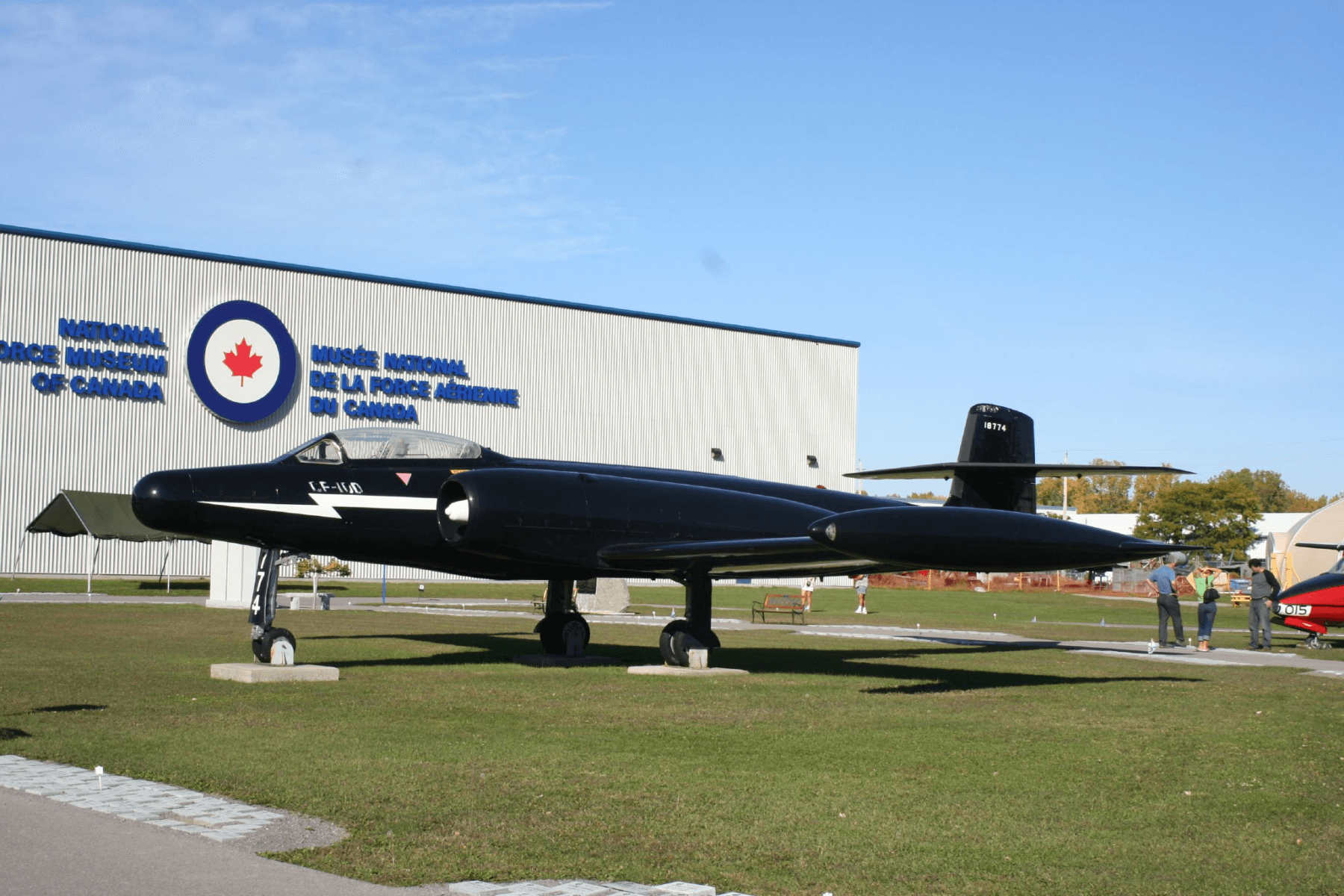
A major $850 million upgrade is underway at CFB Trenton to prepare it as the Eastern Main Operating Base for Canada’s new CC-330 Husky fleet. Announced in July, the project will expand air-to-air refuelling, strategic airlift, and aeromedical operations, making Trenton one of the most critical hubs in the Royal Canadian Air Force network. The first phase of construction, expected to continue into 2026, includes resurfacing the existing runway, aprons and taxiways. Preparations are also underway for the construction of a new two-bay hangar, training facility, fuel depot, and ramp extension. All required construction for the project, including fuelling and defuelling infrastructure, training facilities, and cargo and passenger processing infrastructure is anticipated to be completed by 2033.
Canadian Forces Housing Agency Residential Housing Units
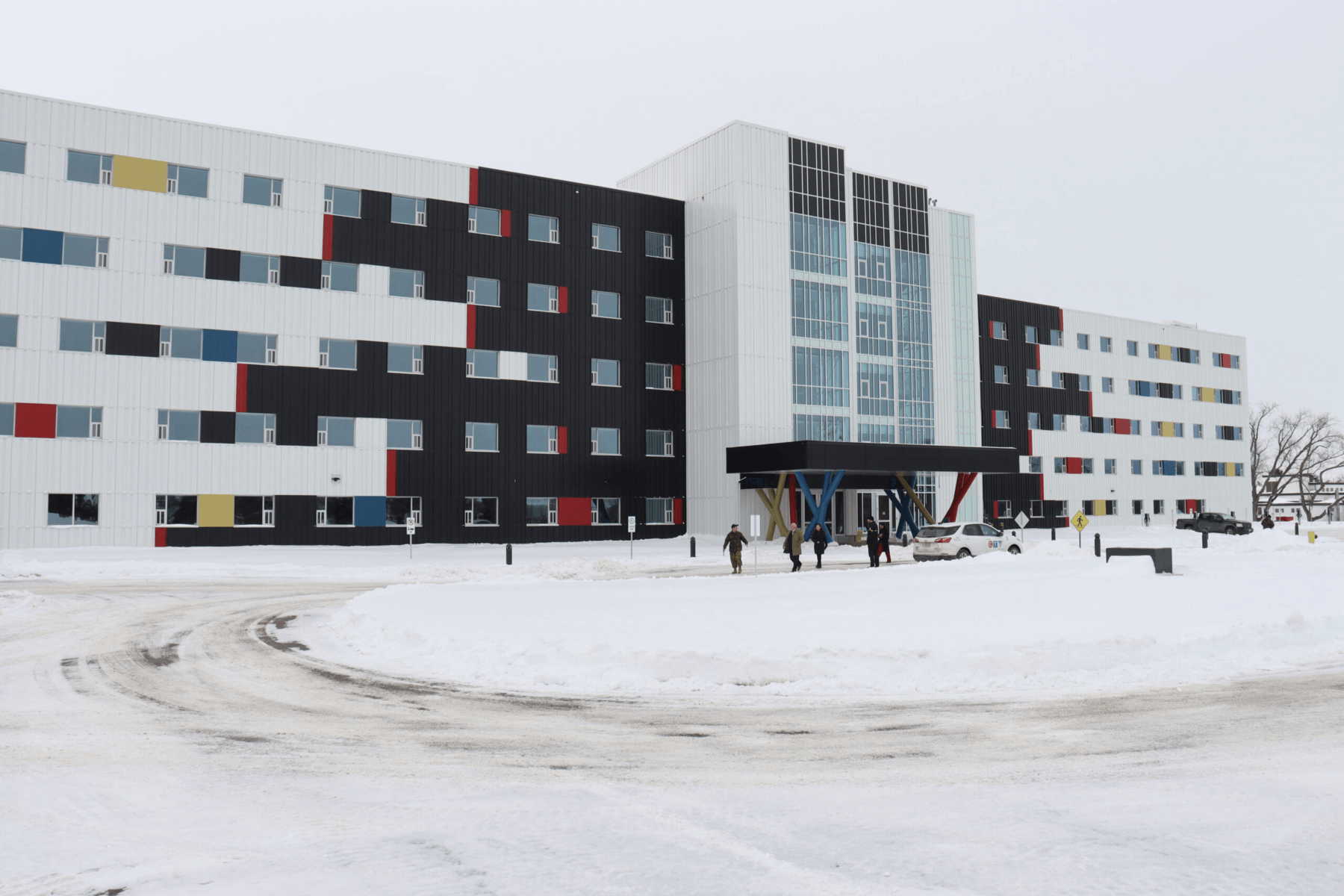
To address chronic housing shortages for military families, DND is constructing 668 new Residential Housing Units (RHUs) and renovating more than 600 existing ones across multiple bases nationwide. Announced in January, the program will roll out over the next five years, beginning with new housing projects at CFB Borden. The new RHUs will include a mix of housing types, such as multi-unit buildings, row houses and semi-detached units. The work is part of a broader $1.4 billion investment over 20 years for housing projects to support the men and women of the CAF.
NORAD Modernization Program
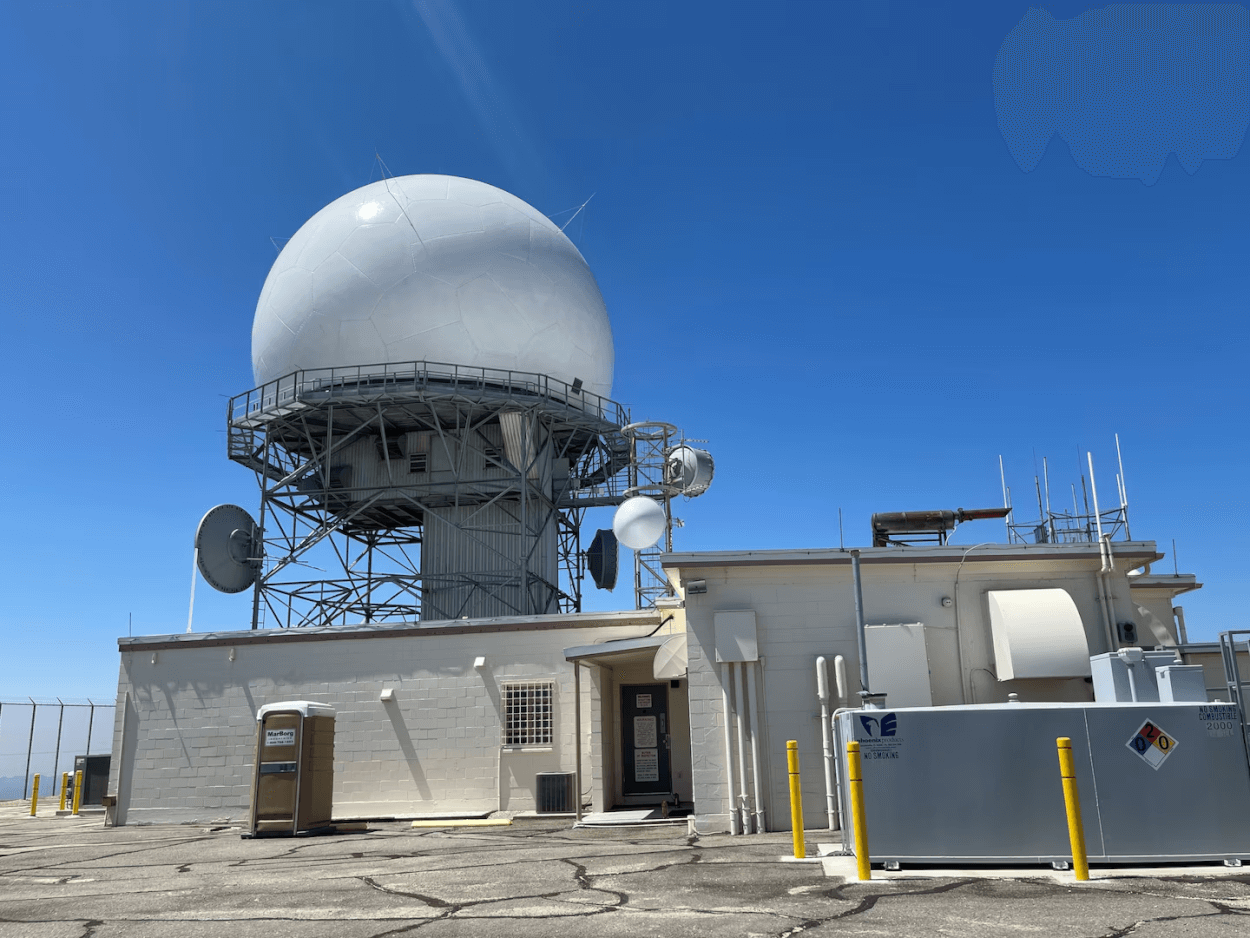
Canada has committed $38.6 billion over 20 years to modernize the North American Aerospace Defense Command. The program will overhaul radar, communications, and surveillance systems across the Arctic and northern regions, representing the most significant investment in continental defence in decades. The plan is focused on five interconnected priorities: upgrading surveillance systems to detect threats earlier and with greater precision; enhancing technology to communicate threats swiftly to decision-makers; modernizing air weapons systems; investing in infrastructure and support capabilities to sustain a strong military presence nationwide; and future-proofing continental defence through continued investments in science and technology.
River-Class Destroyers
As part of Canada’s National Shipbuilding Strategy, work is underway on up to 15 new River-class destroyers. The project, officially valued at around $60 billion but projected by independent analysts to potentially cost much more, represents the largest fleet renewal in Canadian history. The River-class ships will replace the Navy’s retired destroyers and aging Halifax-class frigates with advanced multi-role warships equipped for air defence, anti-submarine warfare, and modern combat operations, ensuring the Royal Canadian Navy can meet evolving global and domestic demands.
Protecteur-Class Joint Support Ships
Seaspan Shipyards in Vancouver is constructing two Protecteur-class replenishment vessels to replace the retired auxiliary oiler fleet. These 173-metre, 20,000-tonne ships are the largest naval vessels ever built in Canada on the West Coast, designed to carry fuel, ammunition, spare parts, and other supplies to extend the range and endurance of the Royal Canadian Navy. They will also feature hospital facilities and the ability to support disaster relief and humanitarian missions. The first vessel, HMCS Protecteur, is scheduled for delivery in late 2025, followed by HMCS Preserver in 2027.
Polar Icebreaker Project
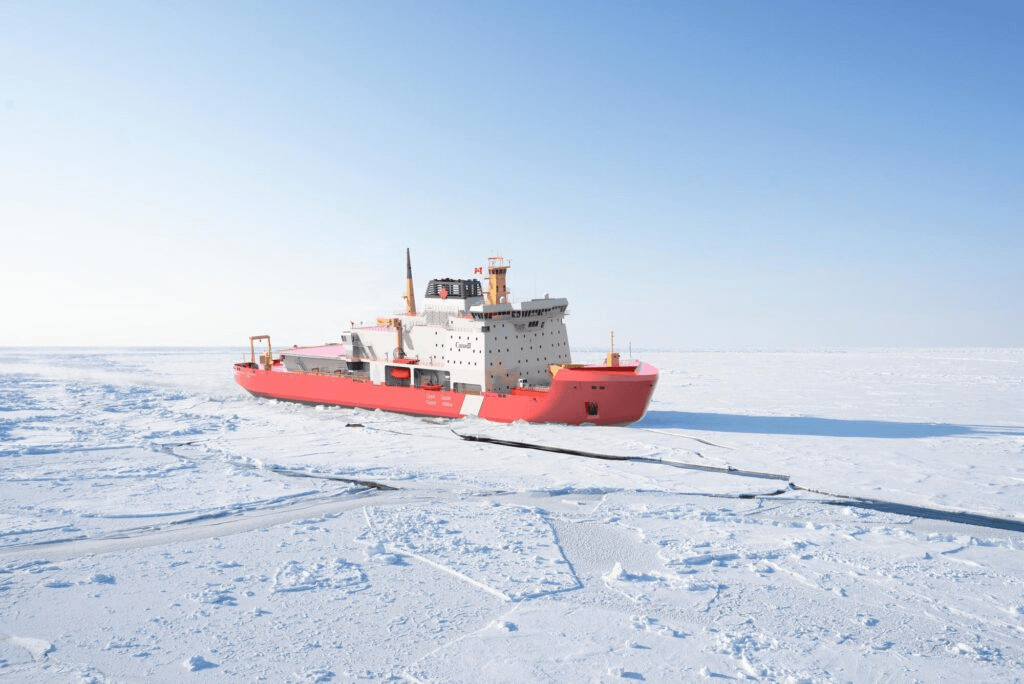
Canada is building two new heavy polar icebreakers—one at Seaspan Shipyards in Vancouver and another at Davie Shipbuilding in Quebec—in a program valued between $7.5 billion and $8.5 billion. The first vessel, the CCGS Arpatuuq, is under construction at Seaspan and is expected to be delivered by 2030. The second, the CCGS Imnaryuaq, is being built by Chantier Davie Canada Inc. in collaboration with Helsinki Shipyard and is slated for delivery by 2032. These vessels will significantly enhance Canada’s Arctic operational capacity, supporting sovereignty, scientific research, and year-round maritime navigation. The project is part of the Icebreaker Collaboration Effort (ICE Pact), a trilateral partnership between Canada, Finland, and the United States aimed at strengthening Arctic capabilities amid increasing geopolitical tensions and climate change impacts in the region.
Nanisivik Naval Facility
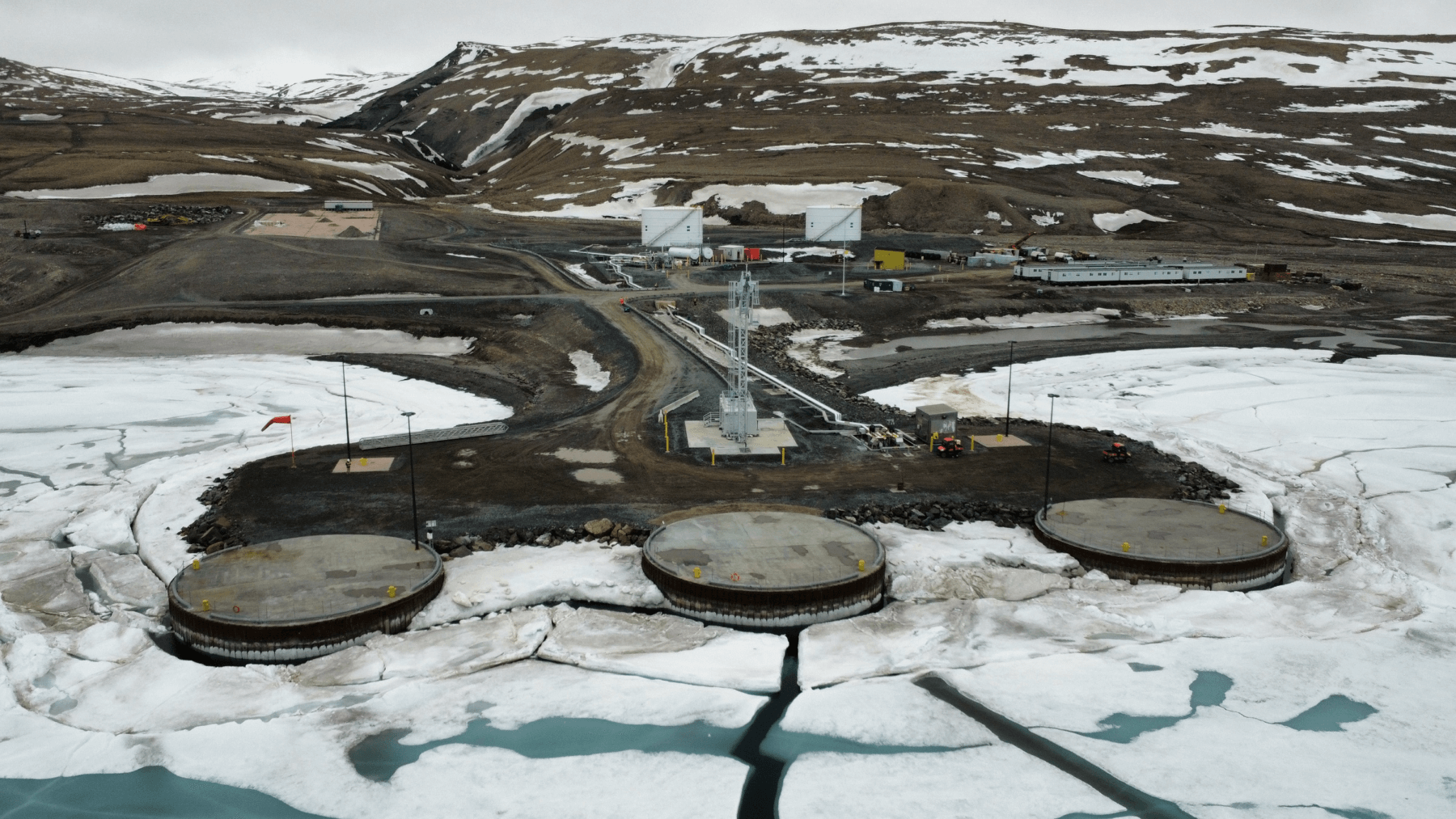
Located in Nunavut, the Nanisivik Naval Facility has been under development for over a decade and is expected to finally become operational in 2025. Designed as a refuelling and logistics hub for Arctic patrols, the project strengthens Canada’s ability to operate in the High North.