
Roberts Bank Terminal 2 referred to Major Projects Office
The port expansion is part of a larger trade infrastructure strategy in Vancouver.
Key Takeaways:
- Ottawa has officially referred the Port of Vancouver Gateway Strategy to the Major Projects Office to fast-track major West Coast infrastructure expansions.
- Under the Building Canada Act, the government is initiating the process to designate Roberts Bank Terminal 2 as a project of “national interest,” consolidating all remaining federal approvals under one regulator.
- To balance industrial expansion with marine conservation, the strategy incorporates $258 million in federal funding for coastal whale preservation and $412.9 million to renew the Pacific Salmon Strategy.
The Whole Story:
Ottawa is looking to fast track work to expand trade infrastructure in Metro Vancouver, including the Roberts Bank Terminal 2 project.
Officials have referred the comprehensive Port of Vancouver Gateway Strategy to the Major Projects Office (MPO). This referral represents the first concrete step toward potentially designating the multi-billion-dollar Roberts Bank Terminal 2 (RBT2) project as a “project of national interest” under the federal Building Canada Act.
The Building Canada Act, enacted as part of Prime Minister Mark Carney’s broader One Canadian Economy Act, allows projects listed as national interests to bypass traditional multi-agency permitting in favor of a single, consolidated federal regulatory review window. Designed to support the federal mandate of doubling Canadian exports to non-U.S. markets by 2035, the Gateway Strategy tackles severe, long-standing bottleneck constraints across Canada’s most cargo-diverse port, which currently handles $1 billion in goods daily.
“Canada needs modern transportation infrastructure that helps our businesses compete, gets Canadian goods to new markets, and creates good jobs across the country,” Minister MacKinnon said during his announcement in Delta. “By investing in our ports and transportation network, we are growing our economy, strengthening our supply chains, while protecting the environment.”
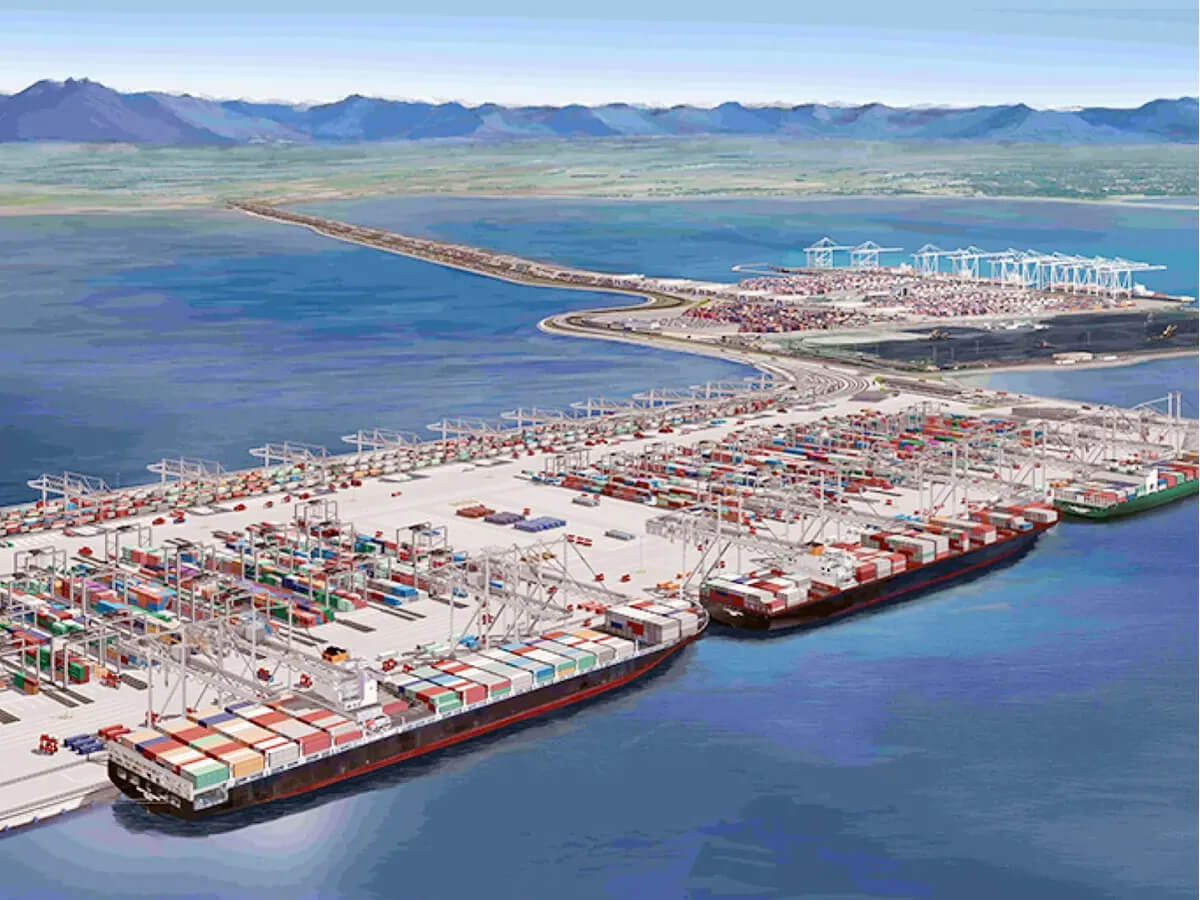
At the core of the strategy is the Roberts Bank Terminal 2 development, a proposed three-berth marine container terminal engineered to expand the port’s container-handling capacity by 50%. The project has undergone more than a decade of environmental reviews and completed its federal impact assessment in 2023, but has remained stuck awaiting final permits.
By bringing RBT2 under the MPO’s single-window coordination, the federal government aims to provide long-awaited regulatory certainty. The MPO will immediately launch targeted consultations with potentially impacted Indigenous communities to inform the final cabinet listing, building upon the 27 Mutual Benefit Agreements the Vancouver Fraser Port Authority (VFPA) has already signed with local First Nations.
Dominic LeBlanc, Minister responsible for One Canadian Economy, emphasized that the strategy aligns directly with the country’s new, fast-tracked infrastructure framework.
“The Gateway Strategy reflects the type of nation-building infrastructure projects the Building Canada Act aims to advance,” LeBlanc noted. “Grounded in partnership with Indigenous Peoples, it will drive Canada’s efforts to diversify our trading partners and increase our capacity to export to global markets, while delivering substantial economic benefits for Canadians.”
Beyond container shipping, the Gateway Strategy details critical steps to expand B.C.’s heavy industrial bulk capacity. Dry and liquid bulk products, such as grain, potash, canola oil, and petroleum, represent 70 percent of the Port of Vancouver’s total tonnage. To build out this capacity, the VFPA announced it will launch a competitive bid process on July 20 to select an operator for its 40-acre Fraser Wharves terminal in Richmond—marking the first major bulk terminal opportunity at the port in a decade. Furthermore, under this land-use pillar, the MPO and port authority will officially review and consider Alberta’s proposed West Coast Oil Pipeline (WCOP) terminal layout in the Delta area.
The Port of Vancouver Gateway Strategy is structured around four primary development pillars designed to synchronize West Coast trade logistics with national economic security:
The four pillars of the gateway strategy
The federal strategy coordinates physical port expansions with major rail upgrades and marine environmental protections:
- Roberts Bank Terminal 2 (RBT2): Construction of a three-berth container terminal to boost container capacity by 50 percent, unlocking $100 billion in new annual trade.
- Bulk Terminal Land Use: Developing new export-focused acreage, starting with the 40-acre Fraser Wharves site and reviewing Alberta’s West Coast Oil Pipeline (WCOP) terminal proposal.
- Rail Infrastructure Optimization: Partnering with Class 1 railways to design a unified rail capacity strategy, eliminating track bottlenecks and lowering transshipment costs for Canadian exporters.
- Environmental Protections: Allocating $258 million over five years for whale habitat preservation, including $95 million for enhanced Southern Resident killer whale protections and vessel noise-reduction technology.