
Report: 62% of Canada ready to embrace modular, prefab housing
Experts say homeownership is no longer one-size-fits-all.
Key Takeaways:
- Over 60% of Canadians are open to alternative housing models like modular, prefabricated, or tiny homes and co-ownership, with 77% viewing housing attainability as a critical national issue.
- Builders face major hurdles to meeting this demand, including project financing difficulty, severe skilled-trades shortages, and rising material costs that make traditional starter homes unviable to build.
- Resolving the crisis requires cross-sector collaboration between developers, lenders, and governments to expand specialized financing, support workforce training, and update municipal development frameworks.
The Whole Story:
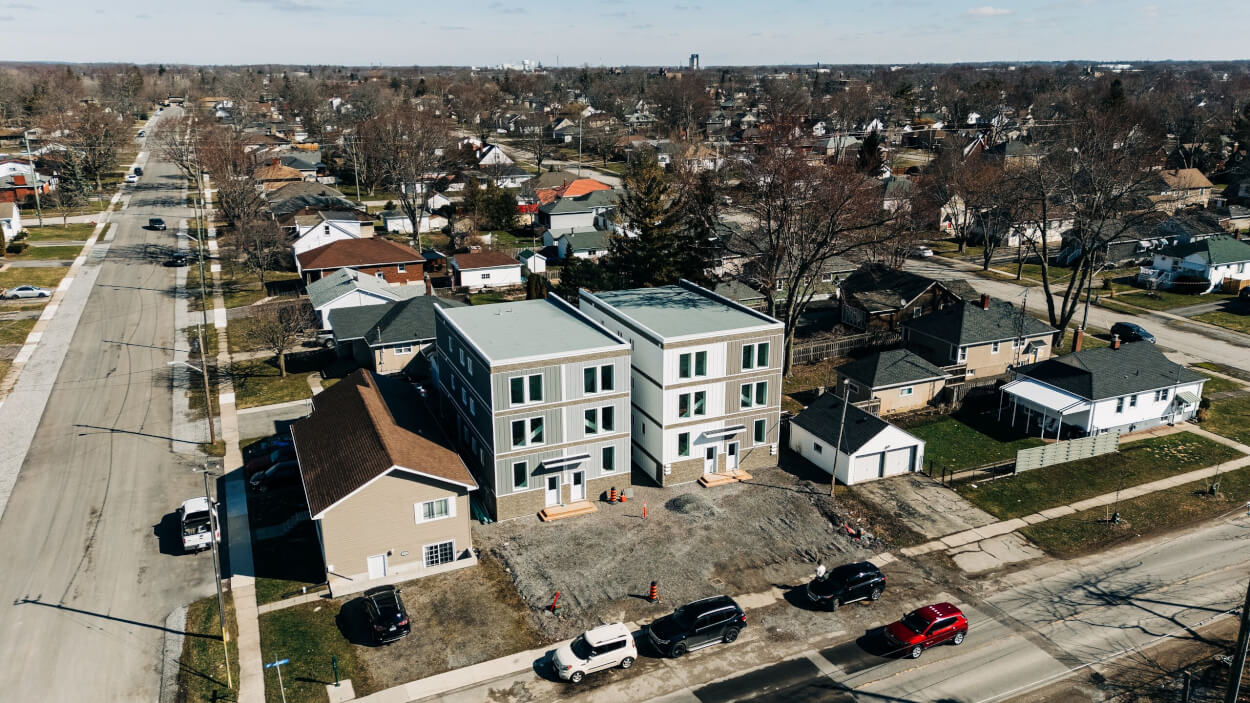
More than 60% of Canadians are eager to embraces modular or prefabricated homes, research shows. However, barriers make meeting this demand a challenge for builders.
A report by Meridian Credit Union reveals a growing structural disconnect between consumer housing preferences and the construction industry’s ability to deliver attainable homes. The Meridian Housing Attainability Report, based on surveys of 1,500 Canadians and 250 construction industry executives, highlights that while the public is increasingly open to non-traditional homeownership models, builders are severely constrained by project financing hurdles, labor shortages, and escalation in material costs.
The study finds that 77% of Canadians view housing attainability as a critical national issue, with 62% willing to consider alternative options such as modular, prefabricated, or tiny homes, alongside co-ownership and rent-to-own arrangements. However, 79% of surveyed construction leaders acknowledge a direct mismatch between current development output and actual market needs. Furthermore, 63% of builders report difficulty securing project financing, 78% are impacted by skilled-trades shortages—a figure rising to 94% among large construction firms—and 60% state that rising costs have rendered traditional starter homes financially unviable to construct.
“Canadians are showing us that homeownership is no longer one-size-fits-all,” said Jay-Ann Gilfoy, President and CEO of Meridian Credit Union. “From co-ownership arrangements to modular housing and rent-to-own models, people are adapting to today’s realities and looking for new ways to achieve their housing goals. The challenge is ensuring those options are supported by the financing, supply and partnerships needed to make them viable.”
In response to these industry bottlenecks, the report outlines priority action areas, including expanding access to specialized project capital, addressing skilled-trade labor shortages through targeted workforce initiatives like Meridian’s Reframe Program, and updating municipal development framework standards to support alternative housing delivery.
Kevin VanKampen, Head of Business Banking at Meridian, emphasized that Canada’s housing crisis stems from execution and delivery hurdles rather than a lack of market demand, calling for improved cross-sector collaboration between lenders, developers, and governments.