
RBC predicts $200B project boom by 2040
However, the authors identified acute risks that could derail work.
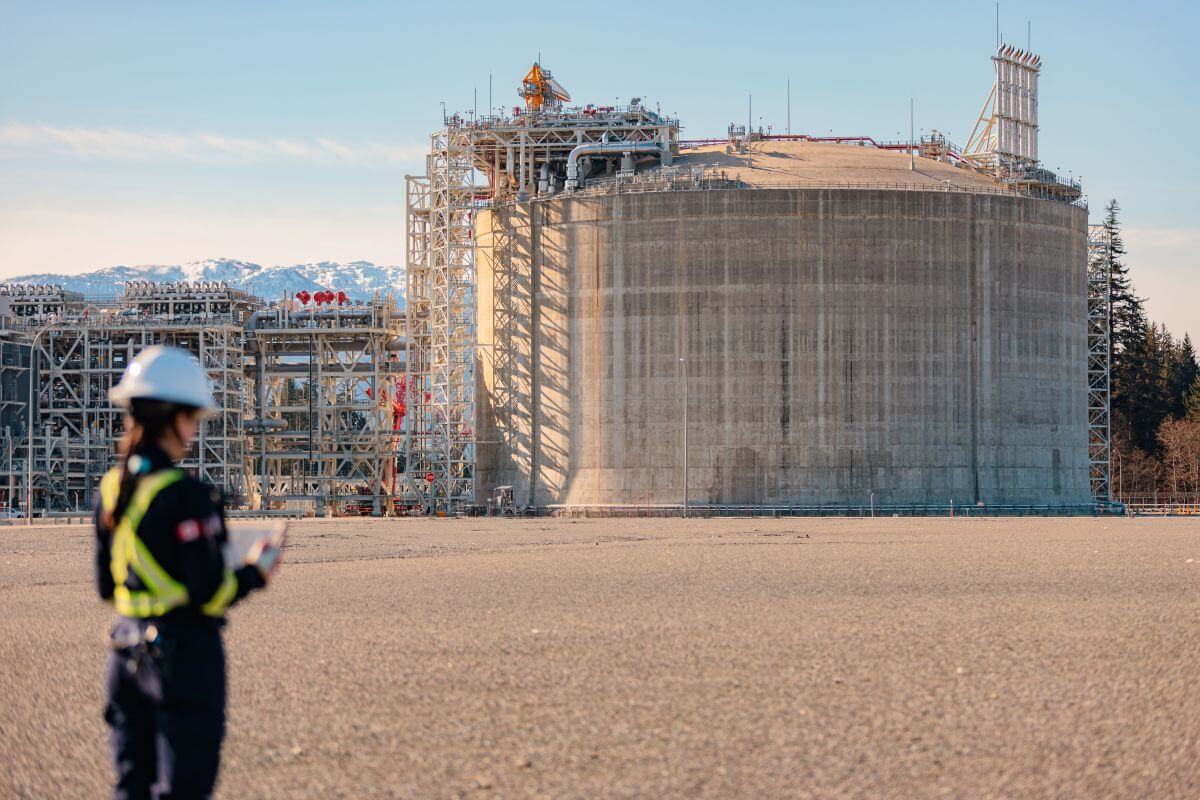
Key Takeaways:
- A new RBC-McKinsey study projects $200 billion in energy capital expenditure through 2040, driven by LNG expansions, new crude pipelines, and carbon-capture infrastructure.
- High-growth projections forecast a two-million-barrel-per-day increase in Canadian oil output and a near-doubling of natural gas production, adding $44 billion annually to national GDP.
- B.C. and Alberta construction spending is expected to peak at up to $31 billion annually around 2030, requiring up to 132,000 workers amid tightening skilled trades shortages.
The Whole Story:
A new joint report by RBC Thought Leadership and McKinsey & Company indicates Canada is on the verge of a major oil and gas expansion that could drive more than $200 billion in capital expenditure through 2040.
Under a high-growth “Step Change” scenario outlined in the study, Canadian oil production could increase by two million barrels per day by 2040, while natural gas output could nearly double. The expansion is projected to boost Canada’s oil and gas GDP by nearly 50%, adding $44 billion annually to real GDP and generating 52,100 permanent production jobs in Alberta alone.
The report highlights an upcoming wave of major project decisions expected between late 2026 and mid-2027. Key developments include final investment decisions for LNG Canada Phase 2 and Ksi Lisims LNG, South Bow’s Prairie Connector pipeline, the Pacific Link crude oil pipeline, and binding agreements for the Pathways Alliance carbon-capture network. Construction activity across Alberta and British Columbia is projected to peak between 2029 and 2030 at $25 billion to $31 billion annually, requiring an estimated peak workforce of 109,000 to 132,000 construction and supply chain workers.
Export diversification to Asian markets represents a major economic driver of the expansion. With the completion of new West Coast LNG terminals and the Pacific Link pipeline, non-U.S. oil and gas exports could rise from $10 billion in 2024 to $100 billion annually by 2040. The report notes that establishing a second major crude export corridor to Asia could narrow the Western Canadian Select (WCS) heavy oil discount against U.S. benchmarks by up to US$3 per barrel, generating up to $7 billion in annual national economic value.
However, the analysis warns of significant execution challenges, noting that all eight Western Canadian energy megaprojects over the past two build cycles exceeded their original budgets and schedules. The authors identify acute risks surrounding trade certification shortages—particularly among pipefitters, welders, millwrights, and boilermakers—alongside domestic supply chain limitations, given that Canada currently maintains only one large-diameter line-pipe mill in Regina and a single steel plate producer in Ontario.
To prevent cost overruns and capacity bottlenecks, the report recommends establishing an intergovernmental “clearing house” table to sequence major projects, alongside policy measures to encourage domestic steel fabrication and support climate-tech commercialization around carbon capture and methane reduction.