
Q&A: What it’s like to work inches from live traffic (and what you can do about it)
CRH Canada’s Chris McColl and Mike Chalmers, and Mark’s Commercial’s Adam Gaiser, on work zone safety, driver behaviour, and the human stakes behind the “Slow Down… I Work Here” campaign.
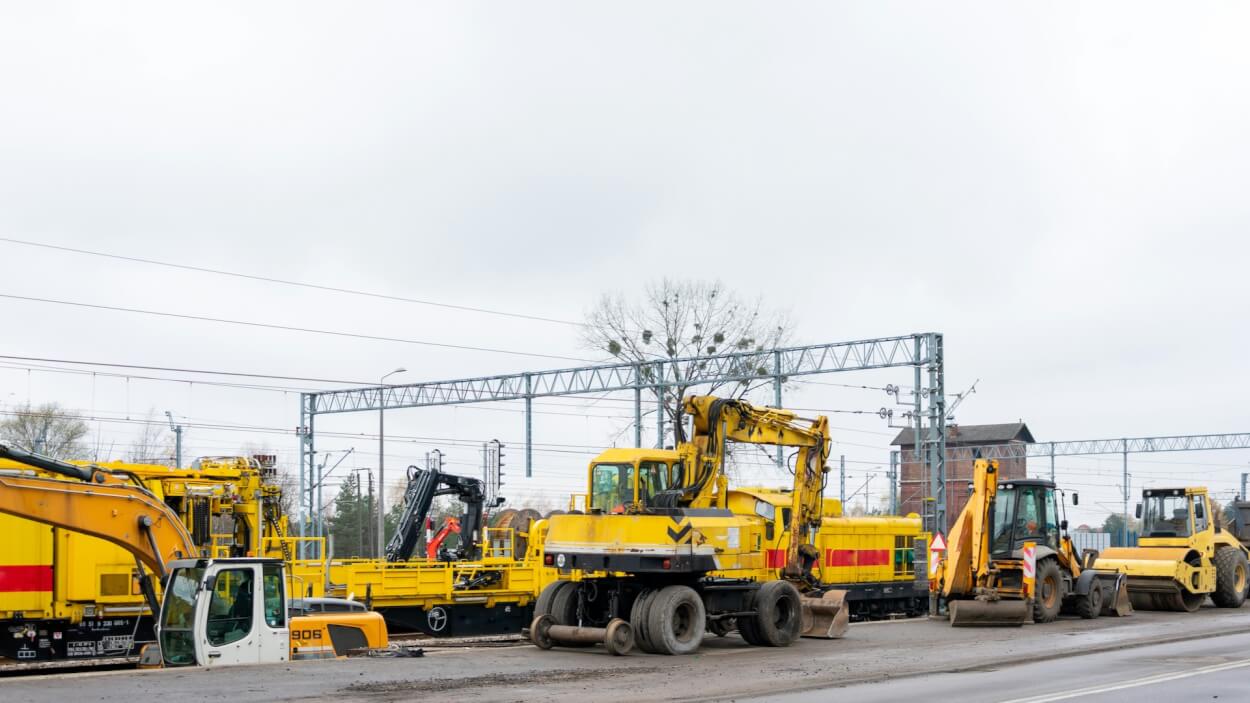
Most drivers see a construction zone and think: inconvenience.
The people working in it think: workplace.
“Slow Down… I Work Here” is designed to close that gap. Today, CRH Canada President Chris McColl, Director of Occupational Health & Safety Mike Chalmers, and Mark’s Commercial Vice President Adam Gaiser break down the purpose of the campaign, the numbers behind it, and what they want every driver to understand.
SiteNews: Can you tell us about the origins of the “Slow Down… I Work Here” campaign — where did it start, and what problem was it designed to address?
Chris McColl, President, CRH Canada: The “Slow Down… I Work Here” campaign has grown out of Dufferin Constructions and CRH Canada’s ongoing focus on work zone safety. This is not a one‑time initiative. It began 3 years ago as part of a broader effort to address a persistent gap between how drivers experience construction zones, and how crews experience them.
For most drivers, a lane closure or reduced speed limit is a temporary inconvenience. For the people on the other side of the closure, it is a workplace. In many cases, it is a workplace just feet away from live traffic moving at highway speeds. That disconnect is the problem the campaign is designed to address.
Slow down, because someone is working here. Someone is expected home at the end of the day.
SN: The statistics around roadside worker incidents in Canada are sobering. Can you share some of the numbers that have shaped the urgency behind this campaign?
McColl: Since 2023, we have seen over 250 Motor Vehicle Accidents within our construction limits. Of those, 35% resulted in an intrusion into our actual work zone.
Crews in our work zones are working alongside the same behaviours driving fatal collisions across the province. Construction zones do not remove that risk. They concentrate it.
SN: Can you speak to the human side of this work — who are the men and women building and maintaining the infrastructure we all depend on?
Mike Chalmers, Director, Occupational Health & Safety, CRH Canada: Every roadside incident involves real people. The men and women working in these zones are not just workers behind closures and barriers. They are parents, partners, friends, and neighbours. They are skilled tradespeople, equipment operators, drivers, technicians, and supervisors who take pride in what they do and understand the responsibility that comes with it.
Our employees build and maintain the roads, bridges, and infrastructure that all of us rely on every day. They work in challenging conditions, often inches from live traffic, so the public can travel safely, get to work, and get home at the end of the day.
Their safety is not optional. Their protection is critical.
SN: From your perspective, what’s the most important thing the general public doesn’t understand about what it’s like to work at a roadside worksite?
Adam Gaiser, Vice President, Mark’s Commercial: People see cones, signs, and high‑visibility gear, and assume that creates a safe buffer. The reality is those measures only work if drivers respect them.
No one signs up to accept unnecessary risk.
SN: Distracted driving is one of the leading contributors to roadside incidents. What would you want a driver to understand about what happens inside a work zone in the seconds it takes to glance at a phone?
Chalmers: The conditions inside of a work zone can change very quickly. In the few seconds it takes to glance at a phone, a lane can close, a flagger could step forward, or a piece of equipment can enter traffic. A driver who is not fully engaged may never see it coming.
Those seconds matter because the people working in those construction zones do not have the option to look away. They are counting on drivers to be present, alert, and predictable.
Putting the phone down is not about avoiding a ticket. It is about doing the right thing.
SN: CRH has described its commitment to employee safety as unwavering. How has that commitment shaped the culture inside your organization, at the crew level?
McColl: At Dufferin Construction and CRH Canada, treating safety as a core value shapes how work gets done every day. It does not shift with schedule or production pressure. It sets a consistent expectation. At the crew level, that means safety is built into decision‑making throughout the day. Workers are expected to reassess conditions, speak up, and take ownership of their own safety and the safety of those around them.
SN: Why has Mark’s Commercial chosen to partner with CRH on this initiative, and how does this initiative reflect Mark’s Commercial’s broader values around worker safety?
Gaiser: We chose to partner with CRH on the Slow Down I Work Here campaign because it aligns perfectly with who we are and how we lead at Mark’s Commercial. Safety isn’t a product category for us — it’s a responsibility. Our customers and partners operate in some of the toughest, highest‑risk environments in the country, and CRH’s people are quite literally working inches from live traffic every day. That reality demands more than PPE; it demands advocacy.
At Mark’s Commercial, safety isn’t just about meeting standards or supplying the right gear — it’s about protecting people in moments when they are most vulnerable. Road crews can do everything right — proper PPE, training, procedures — and still face risk if the public doesn’t slow down or pay attention.
CRH has been a strong, values‑led partner that doesn’t just talk about safety — they act on it. The Slow Down I Work Here campaign is about changing behaviour, not just raising awareness, and that mirrors our own belief that real safety leadership shows up in how people think, decide, and act when no one’s watching.
Ultimately, we partnered with CRH because we share the same conviction: everyone deserves to go home safe at the end of the day. If we can play even a small role in making roads safer for frontline workers, that’s work worth doing.
SN: How does Mark’s Commercial support its customers — whether individual workers or procurement teams — in prioritizing safety beyond the products themselves?
Gaiser: We support our customers by taking a much broader view of safety than just the products we supply. PPE and workwear are critical, but on their own they don’t create safer outcomes.
For individual workers, that means making safety intuitive and accessible — helping them understand why certain products matter, how to wear them properly, and how they fit into the job they’re actually doing day in and day out. For procurement and safety teams, our role shifts to being more of a partner than a supplier. We help them simplify complexity through curated assortments, consistent standards, and solutions that support compliance, cost control, and workforce adoption.
Our goal is to help customers build safer cultures, not just safer closets.
SN: What does an incident-free future look like to you? What role does Mark’s Commercial see itself playing in getting there?
Gaiser: An incident‑free future, to me, is one where safety is so deeply embedded in how work gets done that it’s no longer something people have to remember to do — it’s just how they operate. It’s a future where workers are properly equipped, trained, and supported, but just as importantly, where the environments around them — job sites, roads, warehouses — are designed with their wellbeing in mind.
Zero incidents isn’t about perfection; it’s about intention, culture, and constant improvement.