
Q&A: 40 Under 40’s female winners are pushing the industrial sector forward
Get their career advice, leadership tips, book recommendations and more.
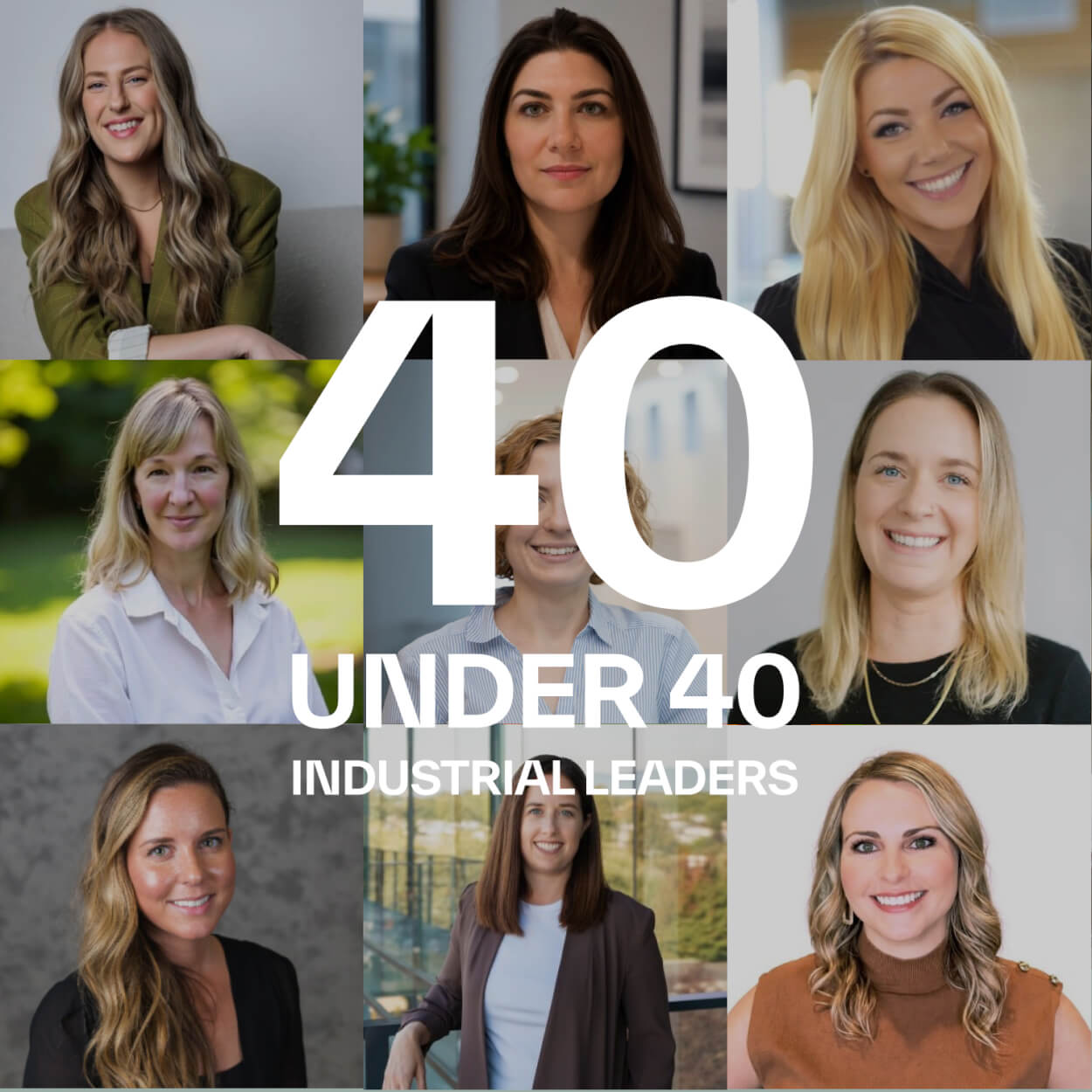
Diversity has long been a challenge in the Canadian industrial sector. But this year’s winners for 40 Under 40 are proving that what an industrial professional looks like is changing. More than 25% of this year’s winners were women. We caught up with as many of them as we could to learn their secrets to success and to get their thoughts on the change face of the workplace.
This year, women represented more than 25% of the 40 Under 40 list. What do you think this says about the state of the industry when it comes to diversity?
I think it shows progress and that there are more opportunities for women to build meaningful careers and step into leadership roles in our industry. At the same time, there is still room to grow. What is encouraging is seeing more women represented across different roles and disciplines and having the next generation see that there are many paths available to them. — Jesi Neill, Project Sponsor, Kiewit
Seeing women make up more than 25% of this year’s 40 Under 40 list is a positive indication that our industry is moving in the right direction. It shows that efforts to create more inclusive pathways to leadership are having an impact which is an encouraging sign for the future of our industry. — Mimi Wilde, Global Director, Energy Client Operations, Hatch
I think it reflects real progress. More women are stepping into leadership roles, driving innovation, and influencing decisions across the industrial sector. At the same time, 25% also reminds us that we still have work to do. Diversity is not simply about representation; it’s about ensuring people from different backgrounds can see a clear pathway into the industry and have the support they need to thrive and advance. The more visible female leaders become, the easier it is for the next generation to see that they belong here too. — Caitlin Hartigan, Dean of Trades & Apprenticeship, Okanagan College
Our industry’s diversity is improving, just looking around over the past 15+ years of my career and I’m seeing more women in our industry. Sadly all too often I recognise that I’m still the only woman in the room. The challenge is the pipeline. One key opportunity is opening up careers to non STEM backgrounds and blind recruitment practices to strip away our unconscious biases. — Claire Rose, Delivery Manager, Elevated Guideway and Stations, Bechtel
I think it’s encouraging, and something worth celebrating. There are a lot of talented women doing great work in this industry, and I’m proud to be recognized alongside some of them. I wouldn’t call it “job done” just yet, though. For me, the real test is what happens day to day. Are people being heard? Are they being trusted with responsibility and given opportunities to grow? Bringing people into construction is one thing. Making sure they feel valued and can see a future here is just as important. — Jenna Burnet, Director of Construction, Dynamic Ops, ETRO
Progress is worth celebrating, but I think most of us would say we want more. More representation, more diversity, and more women not only entering the profession but staying and advancing into leadership roles. We’re moving in the right direction, and industry initiatives aimed at increasing female participation are having an impact, but there is still work ahead to ensure women can build long, successful careers in the sector. — Aline Bennett, National Market Director, Climate Adaption Advisory, WSP Canada
It’s encouraging to see more women being recognized across the industrial real estate sector. When I started my career, there were far fewer women visible in leadership roles. This reflects meaningful progress, but what I’m most looking forward to is the day when seeing women represented in these numbers is no longer notable, it’s just the norm. We’re moving in the right direction, but there is still work to do. — Michelle Sotomayor, Senior Vice President, Development, Conwest Developments
It tells me the industry is changing, but there is still work to be done. I’m curious what that percentage would have been 50 years ago! Women are no longer the exception, we have a seat at the “big” table. We’re building companies, leading teams, influencing decisions and helping shape not only the industry’s future, but our own as well. — Karine Génier, CFO and Partner, Alliance Engineering & Construction
I think it shows progress, but also that there is still a lot of room to grow. Construction and the industrial sector have traditionally been male-dominated, particularly outside of administrative roles, so seeing more women recognized is meaningful. What is encouraging is that women aren’t just entering the industry in greater numbers; they’re building careers, taking on leadership roles and influencing how companies operate. – Shelby Clerihue, Director of People & Culture, Kindred Construction
What are some things the industry could do to better support female leaders?
Continue creating opportunities for women to take on challenging assignments, build a broad range of experience and grow into leadership roles. Mentorship is important, but so is sponsorship — having leaders who recognize someone’s potential and are willing to give them an opportunity before they necessarily see themselves as ready. — Neill
This is an uncomfortable topic, but an important one; a person is less likely to stay in the industrial sector to become a leader if they don’t feel safe and supported. This means providing properly fitting personal protective equipment, clean and accessible facilities, a culture that supports diversity and inclusivity, providing training on unconscious bias to ensure equal opportunities, and taking real action if there are reported concerns. — Wilde
Affordable, accessible childcare is a major one, especially in industries that operate beyond a typical 9-to-5 schedule. Trades, construction, manufacturing, energy, and resource sectors often require shift work, early mornings, evenings, or travel, yet childcare options rarely align with those realities. I also think we need to stop viewing childcare as a women’s issue. It’s a workforce issue and a family issue. When families have access to quality, flexible childcare, everyone benefits: workers, employers, communities, and the economy. — Hartigan
Flexibility. it gets easier as you move up in our industry to facilitate this. Trying to balance the multiple roles women often face is a challenge and also as a dual working parent. Flexible means being able to work different times on occasions and trust from an organization- when you need flexible working is a blessing for men and women! — Rose
Enhanced parental benefits and flexible work practices were essential in helping me balance a demanding career while raising two young children. I’ve also benefited from employee resource groups and leadership development programs that created space for women to connect, learn from one another, and grow into leadership roles. Where I think we can continue to improve is mentorship and sponsorship. As workplaces become more distributed, mentorship often requires much more intentional effort than it did in the past. — Bennett
Leadership develops through meaningful responsibility, not just training. The industry can better support female leaders by ensuring women have access to opportunities to lead, participate in key decisions, and take on increasingly complex challenges. The more diverse the voices contributing to important decisions, the stronger our organizations and industry will be. — Sotomayor
Show women a real path forward. Mentorship is important, but so are promotions, leadership opportunities and workplace flexibility that actually works. One of the best pieces of advice I’ve received from a colleague in the industry is that women need to create their own opportunities. If you’re not invited to the golf foursome, sign yourself up and invite other women to join. — Génier
Create real opportunities and not just initiatives. This could include stretch assignments, operational exposure, or a seat at the decision-making table. I also think we need to make it easier for women to see a long-term career in this industry. That means looking honestly at workplace culture, flexibility, parental leave, career development and succession planning. It’s not necessarily about creating a separate path for women, it’s about making sure the existing paths are genuinely accessible. – Clerihue
What are some things that male colleagues/coworkers could do to better support female leaders?
Be intentional about recognizing good work, even when the person doing it isn’t the loudest voice in the room. In my experience, women may not always be as quick to self-promote, so look beyond who is asking for the next opportunity and recognize people whose performance and potential show they’re ready for it. — Neill
I don’t think these are specific to the industrial sector, or to female leaders for that matter, but two things come to mind: 1. Amplify the voices of others by actively inviting women to share their inputs, noticing when others cut off a woman and redirecting the conversation back, crediting ideas accordingly, etc. 2. It’s great to be a mentor, but it’s important to also sponsor women; use your political capital and influence to advocate for female leaders when high-visibility projects, stretch assignments, and promotions are discussed behind closed doors. — Wilde
Some of my biggest supporters throughout my career have actually been men. As a Dean of Trades who is not a tradesperson myself, I’ve certainly experienced moments of imposter syndrome. The male leaders, peers, and industry partners who took the time to mentor me, challenge me, and remind me of the value I bring to the table have had a tremendous impact on my confidence and growth as a leader. I think one of the most important things male colleagues can do is continue to be active allies and sponsors. That means opening doors, advocating for women when opportunities arise, and ensuring diverse voices are heard and respected. — Hartigan
Male allies are instrumental in supporting female leaders and helping advocate for real change by calling out poor behaviours or supporting women and other minority groups such as challenging inappropriate behaviours or micro-aggressions. — Rose
I think one of the biggest things male colleagues can do is listen and make an effort to understand experiences that might be different from their own. I recently attended CALIBRATED in Vancouver, where women spoke really openly about some of the challenges they’ve faced in their careers. What stood out to me was how valuable those conversations are. Not just for women, but for everyone. This isn’t only a women’s issue. The more people understand what others are navigating, the better leaders and teammates they can be. — Burnet
I’ve been fortunate to work with many supportive male colleagues, mentors, and leaders throughout my career, as well as a partner who truly shares caregiving responsibilities at home. Some of the most valuable support I received came from leaders who trusted me with challenging projects, took the time to answer questions, and created opportunities for growth before I felt completely ready. One important way male allies can support female leaders is by normalizing caregiving responsibilities. When men take parental leave or other caregiving leave, it helps challenge the assumption that these responsibilities belong primarily to women. Over time, that creates a more equitable workplace for everyone. — Bennett
This really applies to all colleagues, and especially those in senior leadership positions. The best leaders champion talented people, create opportunities for them to contribute, and advocate for them when new opportunities arise. Throughout my career, the colleagues who had the greatest impact were those who saw potential in others, provided honest feedback, and helped create opportunities for growth. — Sotomayor
Treat us as colleagues, not differently because we’re women. Professional networking and relationship-building should be viewed the same way, regardless of gender. Include us in important conversations, recognize our contributions and support us when we speak up. — Génier
Listen. You don’t have to understand or relate to every experience someone has had to take it seriously. Some of the best male leaders I’ve worked with have supported me by treating me as a peer, giving me candid feedback and trusting me with meaningful responsibility. – Clerihue
What advice would you give young female leaders looking to further their careers?
Don’t doubt yourself. Take chances and accept that you won’t always feel 100% ready. I think women can sometimes tell ourselves, “I’m not ready yet,” when an opportunity comes along. Let go of the idea that everything has to be perfect, believe in what you bring to the table and be willing to grow into the opportunity. — Neill
Your voice matters. This is not just for female leaders, but speaking up in a meeting, giving your opinion, asking questions, and 360 feedback is valued and encouraged. — Wilde
Don’t wait until you feel completely ready. Most growth happens outside your comfort zone. Seek out mentors, build relationships, ask questions, and take on opportunities that challenge you. Focus on building credibility and being genuine, rather than perfection. There will be times when you’re the only woman in the room, but don’t let that convince you that your perspective is less valuable, embrace how empowering that can feel. Some of the most important contributions come from people who bring a different viewpoint to the conversation. Most importantly, define success on your own terms and build a career that works alongside the life you want to have, not in competition with it. — Hartigan
It can be daunting to be the only woman in the room, don’t feel you need to be grateful for being in the room, you are in the room because of your capacities and track record. Knowing that alone empowers you to speak up and make a difference for those who aren’t in the room. — Rose
Don’t settle for a mediocre mentor. I was incredibly fortunate to have strong women support, train and challenge me from the very beginning of my career, and I’ve had great leadership around me since then. Having people who genuinely want to see you grow makes a huge difference. Also: believe you deserve a seat at the table, even if part of you is still questioning it. Push yourself outside your comfort zone. Ask questions. Set goals for yourself, both personally and professionally, and keep checking in on where you want to go next. You don’t need to know everything before taking the next step. — Burnet
Early in your career, focus on building your skills, your confidence, and your reputation. Say yes to opportunities that help you learn, even if they take you outside your comfort zone. Just as importantly, advocate for yourself. Let people know what you’re good at, what interests you, and where you want to grow. Opportunities often come to those who make their ambitions visible. Ultimately, no one will care about your career as much as you do, so it’s important to take ownership of your own development. — Bennett
Develop confidence in your ability to learn, adapt, and solve problems. Many of the opportunities that shaped my career involved taking on responsibilities that were new to me. It’s important to do your homework, understand potential outcomes, and make informed decisions, but don’t let unfamiliarity hold you back. Resilience, curiosity, and the belief that you’ll find a path forward are often just as important as experience. Real growth rarely happens by staying within the boundaries of what you’ve done before. — Sotomayor
Don’t wait until you feel 100% ready, growth happens when you challenge yourself. Say yes, figure it out and trust that you belong. Most importantly, own your accomplishments and be proud of how far you’ve come. — Génier
Put your hand up for things that scare you a little bit, ask questions, and get comfortable being uncomfortable. Figure out what you’re genuinely good at and build from there. Find people who will give you honest feedback, advocate for you and challenge you when you need it. – Clerihue
What is your ‘superpower’ in the workplace?
I’d say curiosity. I’m comfortable asking questions, listening to different perspectives and admitting when I don’t know something. That has helped me keep learning throughout my career and build relationships with people who have different experiences and expertise than I do. — Neill
I say “Yes” to new opportunities, even if I don’t feel ready, even when the challenge ahead seems too big. The fact that you’re being asked means that someone believes you can do it, so go for it! — Wilde
Combining business thinking with a deep understanding of the skilled trades. As a trades leader with a business background, I’ve learned that some of the best ideas emerge when strategic planning meets practical, hands-on realities. I enjoy helping people see connections between workforce development, industry needs, organizational goals, and economic growth. This complementary skill set allows me to build bridges, challenge assumptions, and develop solutions that are both innovative and achievable. I believe meaningful progress happens when we bring together different perspectives and recognize the value each brings to the table. — Hartigan
I have a knack for exploring/anticipating different outcomes of actions or scenarios. It’s something we can all develop using a technique by Gary Kein, called the pre-mortum. — Rose
I think my superpower is being able to read people, a situation and a room. Construction involves a lot of different personalities, pressures and competing priorities, so knowing when to push, when to listen, when to step in and when to give someone space has helped me a lot. I’m usually paying attention to what’s being said…but also what isn’t being said. That helps me understand how to approach a conversation, how to support someone and, hopefully, how to keep things moving in the right direction without making them more complicated than they need to be. — Burnet
My superpower is seeing the big picture and asking the right questions. I enjoy connecting people, ideas, and systems to identify opportunities that others might miss. Often, asking the right question is more valuable than having the right answer. —Bennett
I tend to be good at taking complex problems, competing priorities, and large amounts of information and distilling them into clear direction and actionable next steps. I also spend a lot of time understanding different perspectives and what is important to the people involved. That allows me to bring together the right people, challenge assumptions, foster critical thinking, and help teams work through difficult issues to find the best path forward. — Sotomayor
Connecting numbers and people. I understand the financial impact of a decision, but I genuinely care about the people behind those numbers and how that decision will affect them. — Génier
Reading people and situations. Being able to pick up on what is not being said. – Clerihue
What is your biggest strength as a leader?
Connecting with people individually and understanding what motivates them. Everyone brings different strengths and experiences to a team, and I think one of my strengths is bringing those people together around a common goal. — Neill
I have learned from leaders I aspire to be most like and try to lead with genuine care. Getting to know how individuals like to learn and communicate, about their hobbies and families, how they like to be recognized, what is important to them, what their goals are, and conversely sharing about myself, creates a connection to better understand and appreciate each other. — Wilde
I genuinely believe in people and their potential. One of the most rewarding parts of leadership is helping others recognize strengths they may not yet see in themselves and creating opportunities for them to grow. I also believe culture comes first. When people feel valued, supported, and connected to a shared purpose, great things happen. I work hard to create environments where people can bring their whole selves to work, feel safe taking risks, and know they’re part of something bigger than themselves. — Hartigan
Kindness- I strive to lead with empathy, trust and drive to create high performing teams anchored in psychological safety to deliver infrastructure projects better. — Rose
My biggest strength is helping people build confidence. I want my team to feel trusted to make decisions and find their own solutions, while knowing I’m in their corner. I don’t expect anyone to know everything on day one. I’m still waiting for that day myself. What matters is being willing to ask questions, think things through and learn from the people around you. — Burnet
I bring empathy alongside an analytical perspective. I care deeply about people, outcomes, and the systems that connect them. As a leader, I try to balance thoughtful analysis with genuine curiosity and compassion, while creating clarity and alignment around complex challenges. — Bennett
My biggest strength as a leader is helping teams understand where we’re going and why it matters. I believe people are most engaged when they understand both the objective and the “why” behind it. I focus on helping teams connect their work to the bigger picture, defining what success looks like, and creating an environment where people feel empowered to contribute, take ownership, and continue growing. — Sotomayor
Giving people ownership and empower them. I set high expectations, but I also give my team the trust and space to surprise me. — Génier
Being able to balance empathy with accountability. I care a lot about people and want to understand where they’re coming from, but I also don’t think supporting someone means avoiding difficult conversations. You can be kind and direct at the same time. – Clerihue
What are your go-to podcasts, books or other media right now for professional development?
A lot of my professional development comes from listening to different perspectives — whether that’s a podcast, an article or a conversation with someone I respect. I find I learn the most when I hear how other people have approached a challenge, made a difficult decision or learned from something that didn’t go as planned. — Neill
I’ve recently changed roles, so I’ve been focused on learning the newest developments and best practices in the asset management sector, mostly through online courses, conferences, and learning from other experts. Maybe I’m missing out, but I tend to keep my reading and podcasts to my personal interests as a way to decompress from life’s stresses. — Wilde
My most valuable professional development comes from conversations with my peers, tradespeople, instructors, and industry partners. Being curious and listening to diverse perspectives is often the best learning opportunity available. — Hartigan
Earlier this month I (finally) finished a book kindly shared by a colleague on Boston’s Big Dig project which Bechtel helped deliver too. (Megaproject Management: Lessons on Risk and Project Management from the Big Dig by Virginia Greiman.) It was fantastic insight into the whole lifecycle of the project and learning from past projects to support our delivery today. — Rose
I’m probably supposed to have a very impressive answer here, but honestly, I mostly listen to murder mysteries as I unwind from the day. That said, I do think I pick up a lot more from conversations with people, project experience and learning in the moment than I do from formal business books or podcasts. I’m more likely to ask someone how they handled a situation than listen to a podcast about it. — Burnet
Two books I return to regularly are Radical Candor by Kim Scott and Nonviolent Communication by Marshall Rosenberg. Both focus on communication, which I believe is one of the most important leadership skills. Their approaches have helped me communicate more clearly, navigate difficult conversations, provide feedback more effectively, and advocate for ideas with confidence and respect. — Bennett
I’m much more of a reader than a podcast listener. I enjoy books on leadership, decision-making, psychology, and business. Some recent reads include Good Strategy Bad Strategy by Richard Rumelt and “The Ride of a Lifetime” by Robert Iger. One of my go-to recommendations is Emotional Intelligence 2.0 by Bradberry and Greaves. It is a quick read but focuses on developing EQ which is so important to success. I also learn a lot from industry publications and conversations with colleagues, peers, and mentors. Some of the best lessons come from understanding how others have approached challenges and opportunities. — Sotomayor
I don’t have one go-to podcast or book. My best learning comes from honest conversations with other leaders, dealing with real problems that don’t come with an instruction manual and being a mom. Raising the next generation teaches me patience, perspective and compromising, lessons I bring to work every day. — Génier
The Mountain is You by Brianna Wiest – Clerihue
Many on this year’s list are strong mentors helping the next generation. Is there a mentor who helped shape you and what is the best lesson they taught you?
Early on, I sometimes second-guessed whether I was ready for the next opportunity, and my mentors often saw something in me before I saw it in myself. One mentor told me, “The best leaders aren’t the ones who know everything. They’re the ones who know when to call a friend who does.” That has stayed with me. You don’t have to have every answer, but you should know when to ask for help. — Neill
An important lesson I learned early on was to do my best not to be the reason someone else can’t complete their tasks (i.e. if someone genuinely needs something from me in order to move forward, I do my best to make that a priority); it made me focus on my impact on others and to make sure they feel supported. — Wilde
I’ve been fortunate to learn from many mentors throughout my career rather than just one. The greatest lesson they collectively taught me is that leadership is about service. It’s not about titles, status, or being the smartest person in the room. It’s about helping others succeed, building trust, and creating opportunities for people to reach their potential. The best leaders I’ve worked with lead with both confidence and humility, and I’ve tried to carry that lesson forward in my own career. — Hartigan
So many mentors have helped support me which I am grateful for. Most recently, I’m reminded that some of the best mentors and sponsors are those who advocate for you when you aren’t present. Keep them close! — Rose
Tiffani Beaudreault (now Senior Project Manager at Graham) was my first mentor at Ledcor when I was a brand-new coordinator. She taught me that there are no stupid questions, a lesson that continues to be very reassuring. She also showed me how far hard work and a willingness to learn can take you. — Burnet
Rather than trying to copy someone else’s leadership style, I’ve always paid attention to the qualities I admire in others and incorporated those lessons in a way that feels authentic to me. Some of the traits that have shaped me most are technical excellence, empathy, clear communication, consistency, and the willingness to be honest about both strengths and weaknesses. Perhaps the biggest lesson I’ve learned is that leadership doesn’t look one way. — Bennett
One who stands out is Ben Taddei, COO of Conwest Developments, who has been a mentor to me since the beginning of my career. In addition to his guidance and feedback, I highly value the trust he places in me. He consistently gives me opportunities to take on greater responsibilities because he believes I am capable. A consistent theme throughout his mentorship has been that you should never let others set the ceiling for what you’re capable of achieving. Set high expectations for yourself, pursue opportunities that challenge you, and be prepared to do what it takes to rise to the occasion. — Sotomayor
There hasn’t been just one. My business partners, female leaders like Romy Bowers at CMHC, and my family have all shaped and mentored me in different ways. Honestly, every woman I meet in business teaches me something. The biggest lesson has been that success is never built alone, surround yourself with great people, trust them, ask questions and, most importantly, truly listen. — Génier
Melissa Cupa, VP of HR + Chief People Officer at Northland Properties was my first mentor. She set an incredible example of what it means to work hard and hold yourself to a high standard, but one of the things that has stuck with me most is her reminding me that how much I care about people isn’t something I need to separate from being a strong leader. It’s actually one of my greatest strengths. She helped me see that you can be ambitious, make difficult decisions and hold people accountable while still leading with a lot of care. – Clerihue
What are some habits, rituals or activities that help you destress after a challenging work week?
Fresh air and some time alone without distractions. Whether it’s a walk or a drive, having a little quiet time helps me slow my brain down, reset and decompress. — Neill
I enjoy noticing the beauty in things, visiting an art gallery, going for a walk and seeing the seasons change, catching a glimpse of an animal unexpectedly, and being creative. I also have a very supportive and joyful partner who brings a lot of happiness to my home life. — Wilde
Getting outside, hitting the gym, and spending time with my girlfriends is my reset button. Living in the Okanagan, I’m fortunate to have incredible access to trails, lakes, and mountains. Going to the lake, walking, and being outdoors help me recharge and put things into perspective. I also make a point of prioritizing time with the people I love (and my dogs!). — Hartigan
Spending time with my son, taking time to have dinner together and be present for bath time! — Rose
Running and working out are probably the biggest ones. They help clear my head and reset after a busy week. I also love cooking, and I’ve recently rediscovered reading in a big way. Once I’m into a good book, I can completely switch off and get lost in it for a while. — Burnet
I’ve been reading a lot about stress and its long-term impacts on health and performance. One concept that has resonated with me is “completing the stress cycle” rather than carrying stress from one day into the next. For me, exercise is one of the most effective ways to reset, clear my mind, and signal to my body that it’s time to move out of stress mode. More broadly, I’ve learned that managing stress isn’t about eliminating challenges, it’s about developing healthy ways to recover from them. — Bennett
Spending time with my family is the best way for me to recharge, and I also find that staying active helps clear my mind. Whether it’s getting outside, going for a walk or hike, or simply staying busy with family activities, movement and time with the people I care about help me reset and gain perspective. — Sotomayor
CrossFit, family time, home-design/renovations projects or escaping somewhere near the water with no cellphone around. Preferably with a good Spritz! — Génier
Getting outside, moving my body, and spending time with family. – Clerihue
If you could send a one-sentence text to yourself on your first day in your role, what would it say?
Don’t change who you are to match the room. Be your authentic self. — Neill
You’ve got this! — Wilde
Trust your instincts, stay approachable, make room for others to succeed, and remember that meaningful change takes time. The truth is, most people are figuring it out as they go, so don’t be afraid to ask questions, learn from others, and let people see the human side of leadership. — Hartigan
It might be a run-on sentence, but: take the public speaking course, get out of your comfort zone sooner, remember that feelings aren’t facts, and don’t let imposter syndrome convince you that you’re not ready. — Burnet
“Stay curious, work hard, ask questions, and take up space.” I actually wrote notes to myself on my first day as an engineer about the kind of professional I wanted to become: thoughtful, hardworking, respectful, eager to learn, and willing to push boundaries when needed. Looking back, those aspirations still guide me today. — Bennett
Confidence isn’t knowing exactly how everything will unfold, just prepare and trust your ability to navigate whatever comes next. — Sotomayor
Stop wondering whether you belong. You do, so speak up and go show them who you are. — Génier
Trust yourself, it always works out. – Clerihue