
Pain is silently costing construction, and the industry can’t afford it
Pain is not separate from safety, retention, recovery or workforce sustainability. It belongs in the conversation about what it takes to protect a strong and healthy construction workforce.
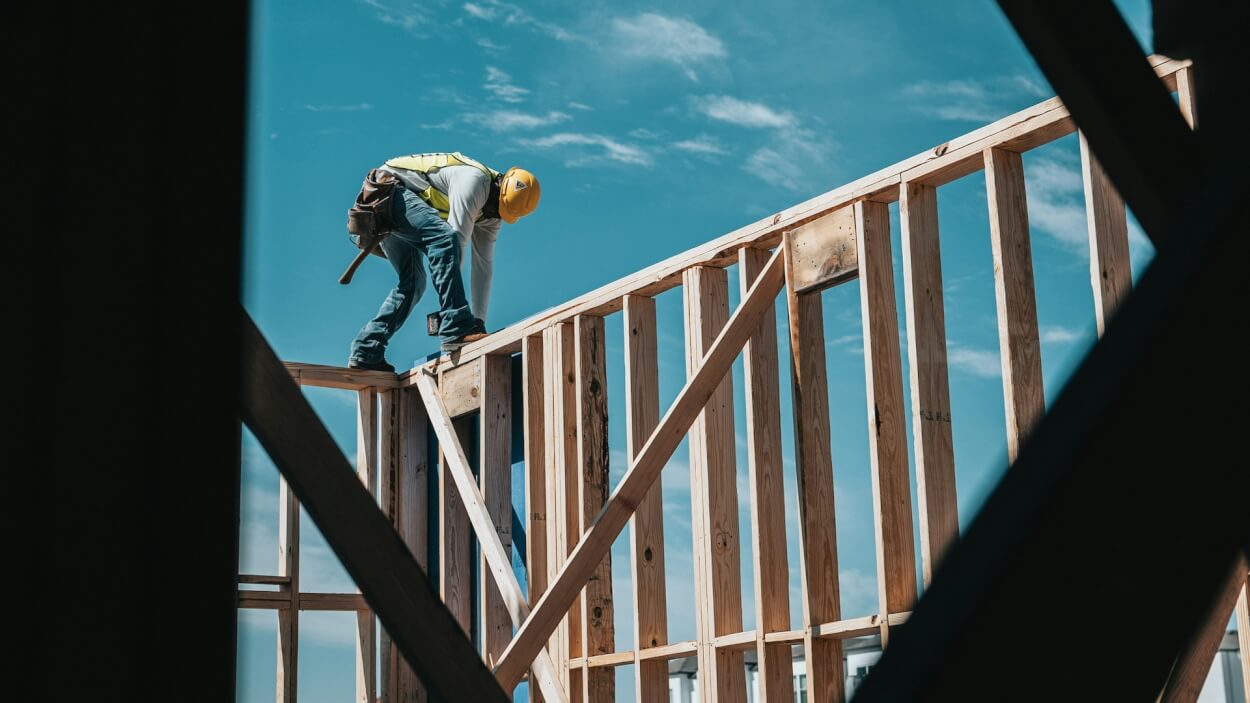
In construction, pain is often carried quietly. A sore back. Burning shoulders. Numb hands. A knee that never quite recovers.
Over time, pain is often absorbed as part of the job, something to push through, work around or deal with later.
Over time, that can come at a real cost.
Pain is not a side issue. It is not a personal weakness. It is not separate from safety, performance, retention or workforce sustainability. It sits right in the middle of all of them. Pain is not only a healthcare issue. It is also a workforce, disability and economic issue that affects productivity, health system demand and quality of life.
At Pain BC, we have spent the past 15 years leading change in how pain is understood and addressed in British Columbia and across Canada through evidence-informed education, advocacy, partnership and support programs. Our work has been shaped by people living with pain and grounded in scientific evidence, helping ensure our programs, partnerships and solutions reflect their needs and real-world experience. Over that time, we have worked alongside people living with pain, healthcare providers, researchers, partners and systems leaders. We have seen how often pain is misunderstood, stigmatized, dismissed or dealt with too late. We have also seen what becomes possible when pain is better understood and people can access support earlier.
That is why this conversation matters so much in construction. There is a gap between how much pain people are quietly carrying and how little of it ever gets said out loud.
Across Canada, about one in five people live with chronic pain. In construction, those realities collide with work that demands physical stamina, consistency and reliability. When pain is ignored early, it does not simply disappear. It can become harder to treat, more disruptive to daily life and more costly to workers, employers and the broader workforce.
This matters not only because it affects individuals and families, although that would be reason enough. It matters because the industry is already under pressure to recruit, retain and support a strong workforce. Every conversation about labour shortages, productivity, safety and long-term resilience should include a more serious conversation about pain.
Across all industries, workers in British Columbia missed 4.15 million days of work in 2023 due to work-related incidents and disease. In construction, WorkSafeBC reports that time-loss claims rates are consistently higher than the provincial average.
Pain also intersects with another reality that is becoming harder to ignore. Health Canada’s Canadian Pain Task Force recognized that untreated chronic pain is connected to the overdose crisis. In British Columbia, government reporting has underscored the impact of overdose deaths among people working in industrial roles — in 2025, 21% of overdose deaths were people employed in the trades, transportation or equipment operation industries. Province-wide, nearly half of people who died from overdose had sought medical care for physical pain in the year before their death. It is clear how closely pain, mental health, substance use and delayed support can intersect in physically demanding sectors.
Worker safety and site culture already matter deeply in construction. Pain belongs in that conversation too. Pain may look different from other workforce issues, but it has real implications for safety, retention, recovery and long-term workforce sustainability.
Pain warrants that same level of attention.
Recognizing pain earlier is not about lowering standards. It is about responding in ways that help people stay well enough to keep working safely and sustainably.
What is often needed is practical, evidence-informed support that helps people stay well enough to keep doing work they are proud of and improve their quality of life. Workers in the trades deserve better pathways to address pain before it becomes more disruptive.
At a practical level, that can start with making it easier to talk about pain earlier. Not dramatically. Not in a way that overcomplicates physical work. But in ways that help people say something before pain becomes a bigger barrier to their health, their work or their future in the trades.
Pain also belongs in the broader conversation about safety culture. Safety culture already shapes how people respond when something is not right. It also shapes whether workers feel able to say something before an issue escalates and whether pain is dismissed, joked about or left unspoken.
Culture is shaped in small moments. A foreperson’s reaction. A co-worker’s comment. A company’s policies. A benefit plan. A return-to-work conversation. These signals tell workers whether it feels safe to speak up or safer to stay quiet.
Support also has to fit the industry. Generic messaging rarely works in construction. Workers know when something has been designed from a distance. Support has to be practical, credible, confidential and grounded in the realities of the sector. It has to reflect the language, pace and pressures of the job. It has to meet workers where they are.
That is part of what has informed Pain BC’s Trades and Pain work, including The Guide Line, a confidential, free text-based support service designed specifically for people in the trades. It is one example of what becomes possible when support is built around how workers actually live and work, rather than expecting them to fit into systems that were not designed with them in mind.
Pain BC helps people living with pain access trusted programs and support, feel understood and improve their quality of life. Through our Trades and Pain work, we have been working with industry leaders through an advisory committee that is helping ensure this conversation is informed by the realities of the sector.
In construction, keeping skilled people well enough to stay in the workforce matters enormously. Experience matters. Mentorship matters. Long-term workforce sustainability matters.
When pain is addressed earlier, there is a better chance of helping people stay well enough to keep contributing, keep mentoring and keep doing work they are proud of.
There is an opportunity to strengthen an already important conversation about workforce health, safety and sustainability by bringing more attention to pain and how it is addressed. Improving how pain is addressed requires collaboration across workplaces, communities, healthcare and social systems. It also requires recognizing that earlier support can improve outcomes for people and reduce long-term impacts on families, communities, services and systems.
Construction already knows how to solve hard problems. It does it every day. There is an opportunity now to bring that same seriousness to pain and to see it reflected more consistently across the broader trades industry.
Pain may be common, but it should not be assumed to be inevitable or go unaddressed.
If we want a stronger construction workforce tomorrow, we need to have conversations about the realities of pain in the trades today.
This is part of building a future where pain is addressed earlier, more equitably and without stigma.
And the time to start is now.
Maria Hudspith is the founding CEO of Pain BC and co-chaired the Canadian Pain Task Force.
To learn more about the Trades and Pain program and The Guide Line, visit painbc.ca/TAP.