
How a Canadian HydroGeoChemist is cutting remediation timelines from years to months
Site contamination has always been a timeline killer. And now PFAS is raising the stakes.
When a construction crew hits contamination mid-project, the clock starts running in the wrong direction.
Consultants get called in, the site gets mapped, a remediation plan gets drafted — and depending on the technology behind that plan, the project can face anywhere from a few months to several years of delays to complete development.
George “Bud” Ivey has spent the better part of four decades shrinking that window. The founder of Canada-based IVEY International Inc. has built a company around green surfactant chemical technologies designed to desorb contaminants, such as petroleum hydrocarbons and chlorinated solvent, out of soil, bedrock, and groundwater regimes — and that work has expanded to include PFAS, the “forever chemicals” now drawing regulatory scrutiny across Canada and internationally.
“PFAS — polyfluoride compounds — are not new,” Ivey explains. “The issue has been around for a while, but increasingly, the topic is getting concern from people; it’s getting regulatory attention, and increasing degrees of enforcement.”
Your Site’s Contaminated. Now What?
For most construction projects, contamination discovered mid-build follows a familiar path: consultants step in, assessments are completed, and a path forward is developed. The technology used during this stage determines a lot about what happens next — including how long the site is out of commission, delaying the redevelopment.
IVEY’s suite of products work through a process the company describes as “phase transfer.” When subsurface contamination is identified, consultants install a series of vertical wells to sample soil and groundwater, and map the contaminated area. IVEY’s surfactant-based technologies are then injected into that zone, where they lift contaminants off the soil particles they’re bound to and into solution — at which point that liberated contaminant mass is more “available,” and can be pumped out and treated. The result is that contaminated soil can be treated in place, rather rapidly, with no excavation or backfilling required.
For large-scale sites, the same chemistry is applied to bioremediation, or “bio-piles,” to desorb the contaminations it’s more “bio-available” within — large mounded sections of excavated soil, where treatment is accelerated to as little as three months before the soil is returned to the site or reused offsite.
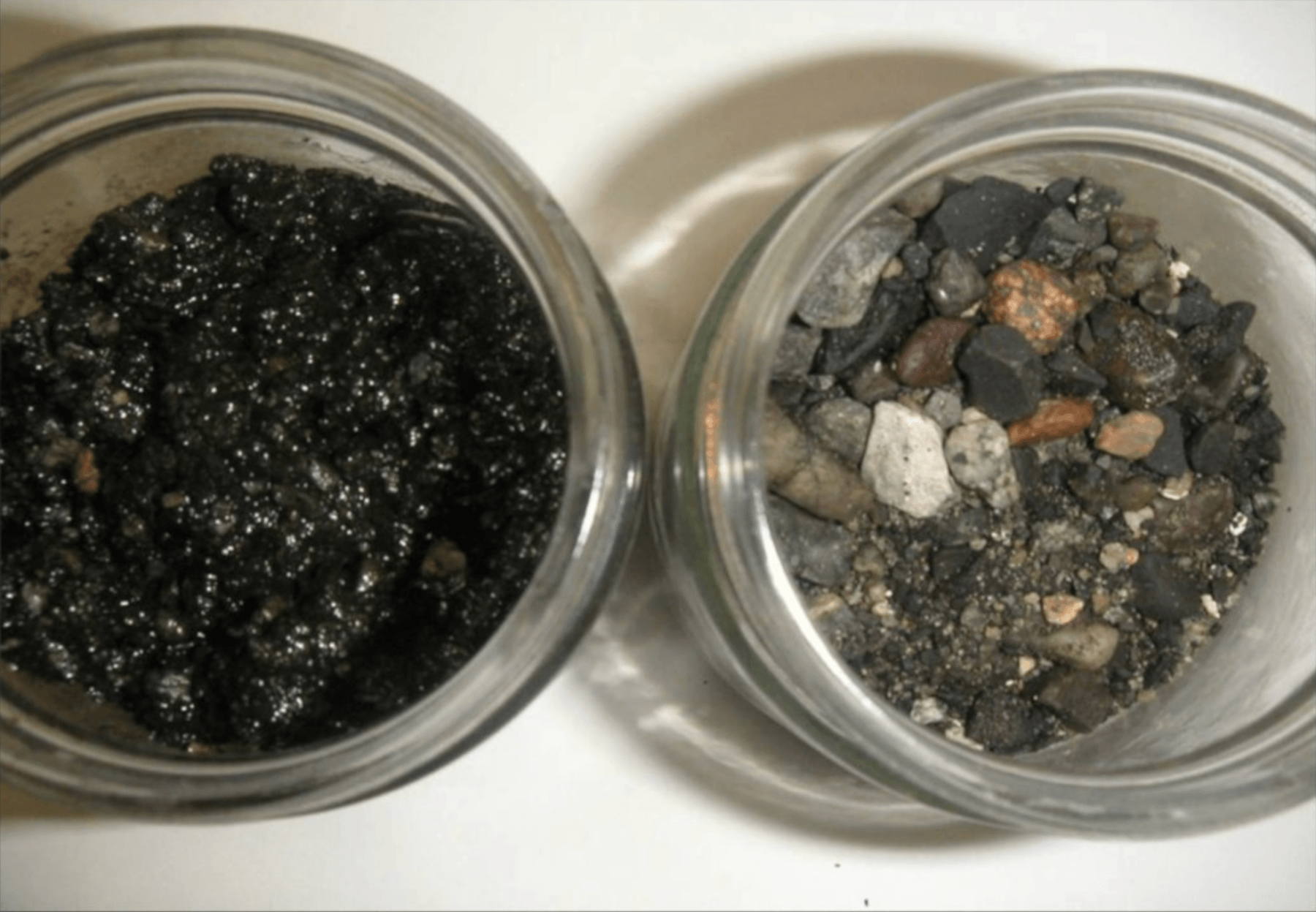
Oil sands by-product waste, pre & post-treatment with IVEY-sol (via IVEY International).
The Kuwait Project
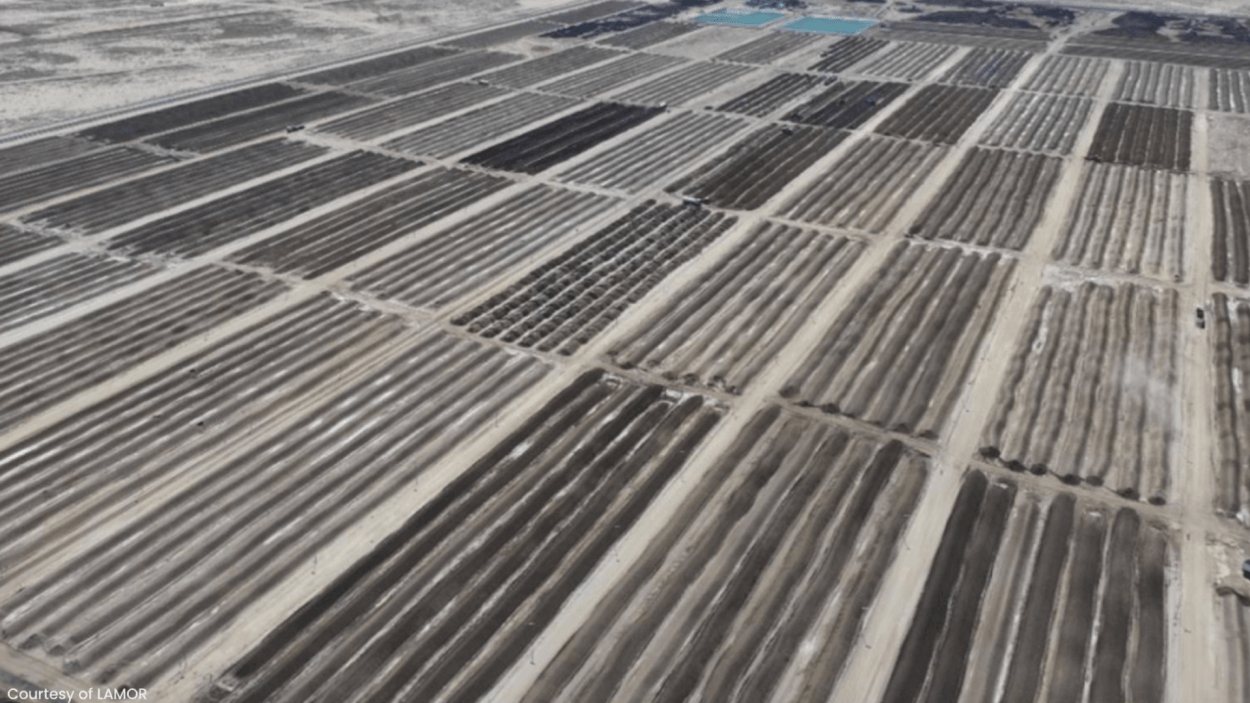
The clearest example of what that means at scale is a project IVEY describes as “the largest inland remediation project in history”: the ongoing cleanup of an estimated 60 million cubic meters (>100 million tons) of oil-contaminated soil left behind in Kuwait following the Gulf War 30 years ago.
Bio-pile treatment cycles that previously took nine to 12 months were reduced to three — consistently — by incorporating IVEY’s surfactant-enhanced bioremediation (SEB) products.
According to IVEY, that project’s contractor finished its initial contract work ~18 months ahead of schedule (and was paid in full, as the contract value didn’t change, even though the timeline did).
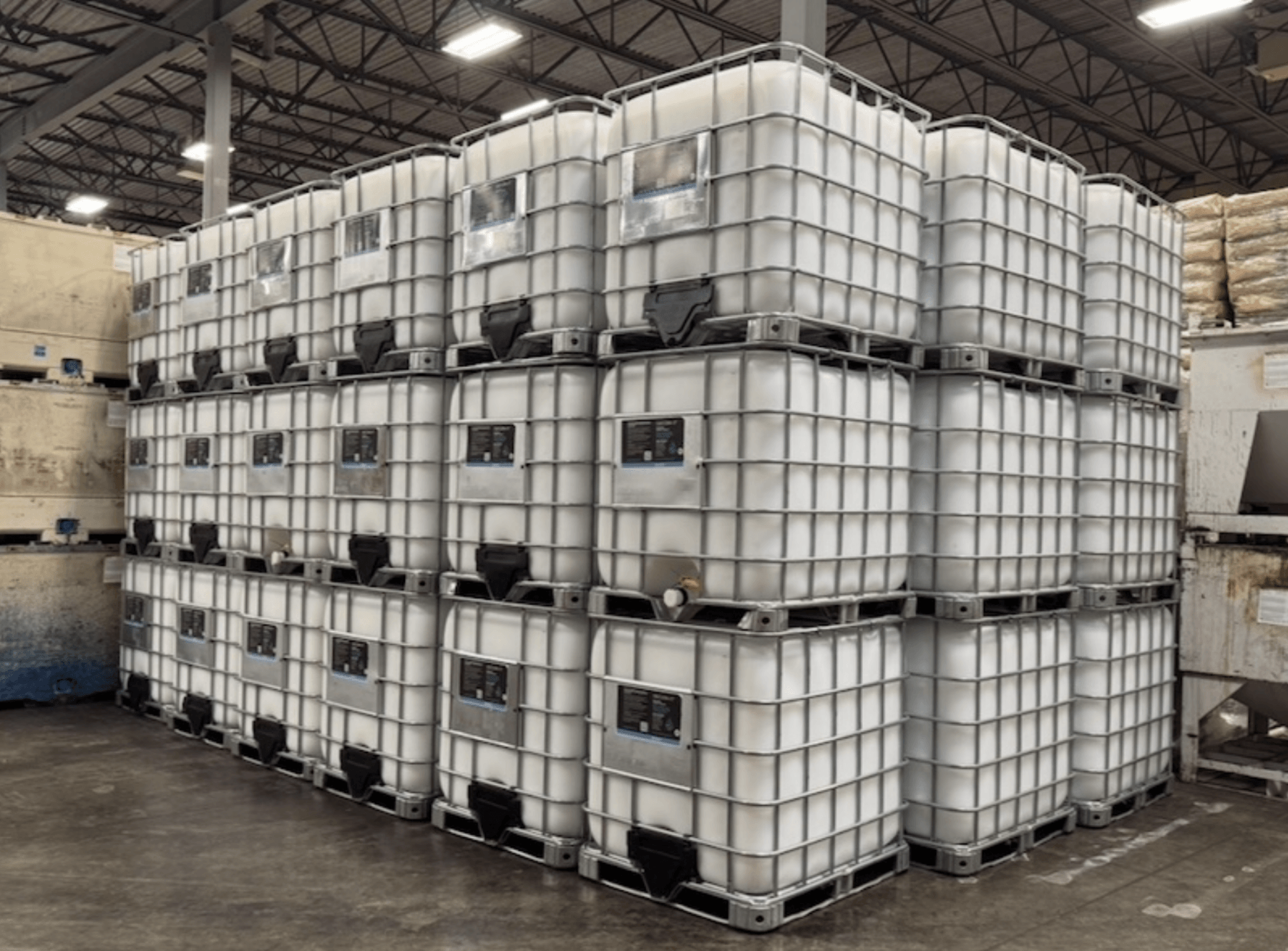
A recent 54,000-litre shipment of IVEY product headed to Kuwait (via IVEY International).
The PFAS Play
The chemistry behind IVEY’s PFAS-SOL® product is an extension of the same phase-transfer approach the company has applied to petroleum hydrocarbons and chlorinated solvents for decades. As PFAS regulations tighten — and acceptable concentration thresholds begin moving toward parts per trillion — the company has filed patents in over 50 countries, with approval already granted in Luxembourg.
For Canadian construction firms working on industrial or former-industrial sites, that shift matters. PFAS contamination — tied to everything from firefighting foam to industrial coatings — is increasingly a factor in site assessments, and the tools available to deal with it are evolving quickly.
IVEY is currently in discussions related to a Superfund site in the United States involving PFAS, and is scheduled to present to major land developers in Australia later this year on how contaminants behave on-site — part of an ongoing effort, he says, to help construction and development firms understand what they’re dealing with, to make better informed decisions before it becomes a costly surprise.
To learn more, visit iveyinternational.com.
Cover image: IVEY International-supported bioremediation site in Kuwait (via IVEY International).
This article was produced in partnership with SiteMedia Content Studio.