
Historic Indigenous housing project utilizes 3D printing
The first phase will see a three-storey, arc-shaped residential complex with up to 30 units.

Key Takeaways:
- The world’s largest Indigenous housing project using onsite robotics at Six Nations of the Grand River First Nation.
- The arc-shaped, culturally inspired design merges Horizon Legacy’s automated construction technology with Two Row Architect’s Indigenous architectural expertise.
- Scalable model for future housing aims to address severe shortages in Indigenous communities and demonstrate how robotics can deliver rapid, high-quality, multi-storey housing across Canada and beyond.
The Whole Story:
A groundbreaking Indigenous housing project billed as the largest in the world to use onsite robotics is planned for the Six Nations of the Grand River First Nation.
Horizon Legacy and Two Row Architect have partnered on the development, named Eh ni da se — meaning “new moon” in Cayuga — which symbolizes new beginnings. The first phase will see a three-storey, arc-shaped residential complex with up to 30 units, designed to reflect the moon’s form. A second phase could expand the project further.
The initiative pairs Horizon Legacy’s automated building construction technology with Two Row Architect’s expertise in Indigenous architecture and community engagement. The goal is to deliver culturally rooted, high-quality housing quickly on reserve, while demonstrating that robotics can produce multi-storey and low-rise housing with distinctive designs.
“This partnership is about more than building homes — it’s about claiming our power and sovereignty through innovation and designs that respect Indigenous values and identity,” said Brian Porter, principal architect at Two Row, which has worked with more than 50 Indigenous communities in Canada and the U.S.
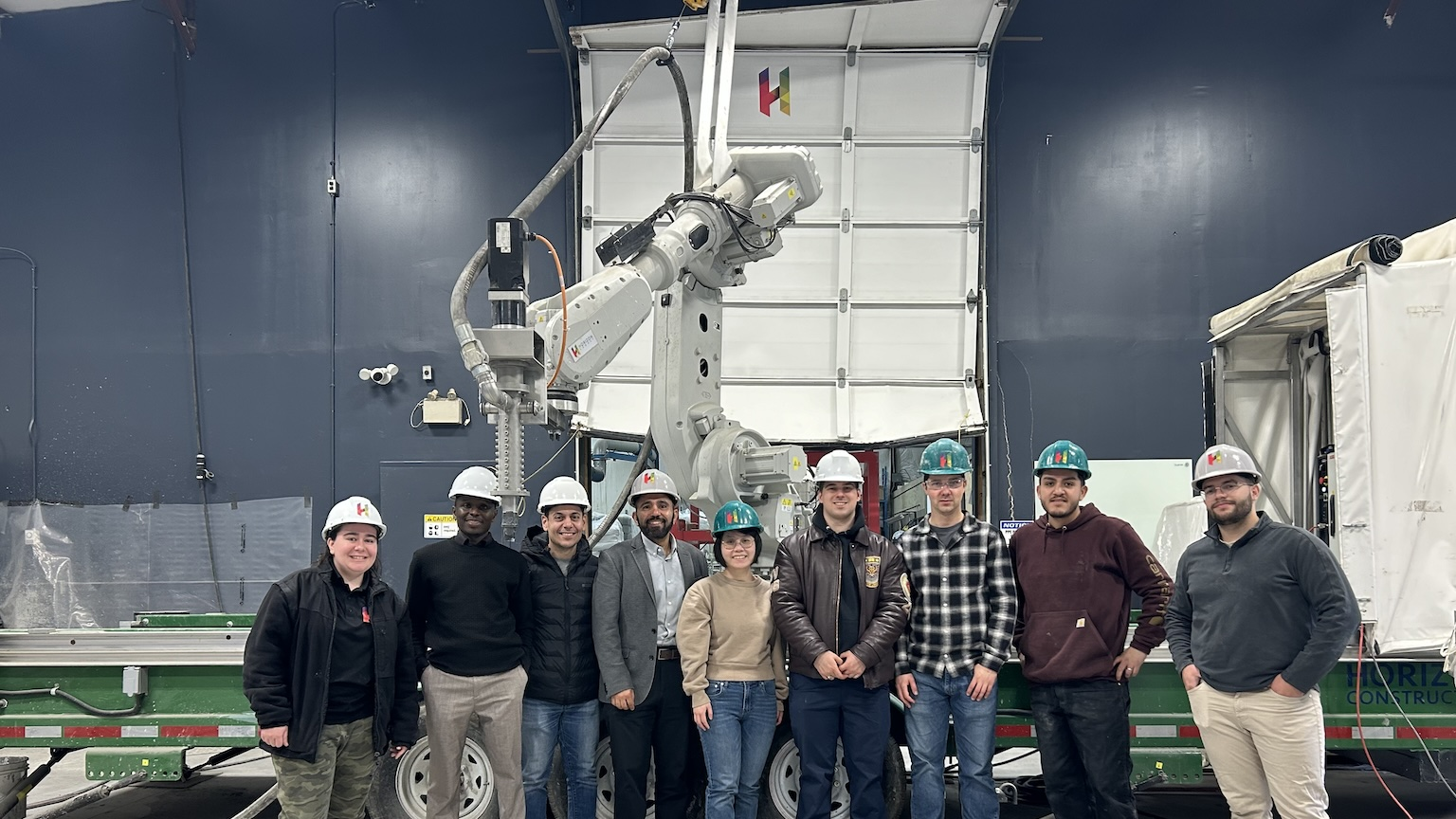
Nhung Nguyen, CEO of Horizon Legacy, said the project proves robotics can create “organic, architecturally distinctive, and culturally meaningful designs” beyond the repetitive forms common in factory-built housing.
Indigenous communities across Canada face some of the country’s most severe housing shortages, often dealing with overcrowding, aging infrastructure and limited new construction. The partners say Eh ni da se will serve as a model for scaling automated construction to meet housing needs in First Nations and beyond.
The project also builds on Horizon Legacy’s research partnership with McMaster University’s Faculty of Engineering, where teams are developing tools to integrate onsite robotics into Canadian building codes and standards.