
Expert: It’s time to treat construction workers like the athletes they are
Workers who experience gear built to the industrial athlete standard bring a different expectation to the next job site. That expectation follows them.
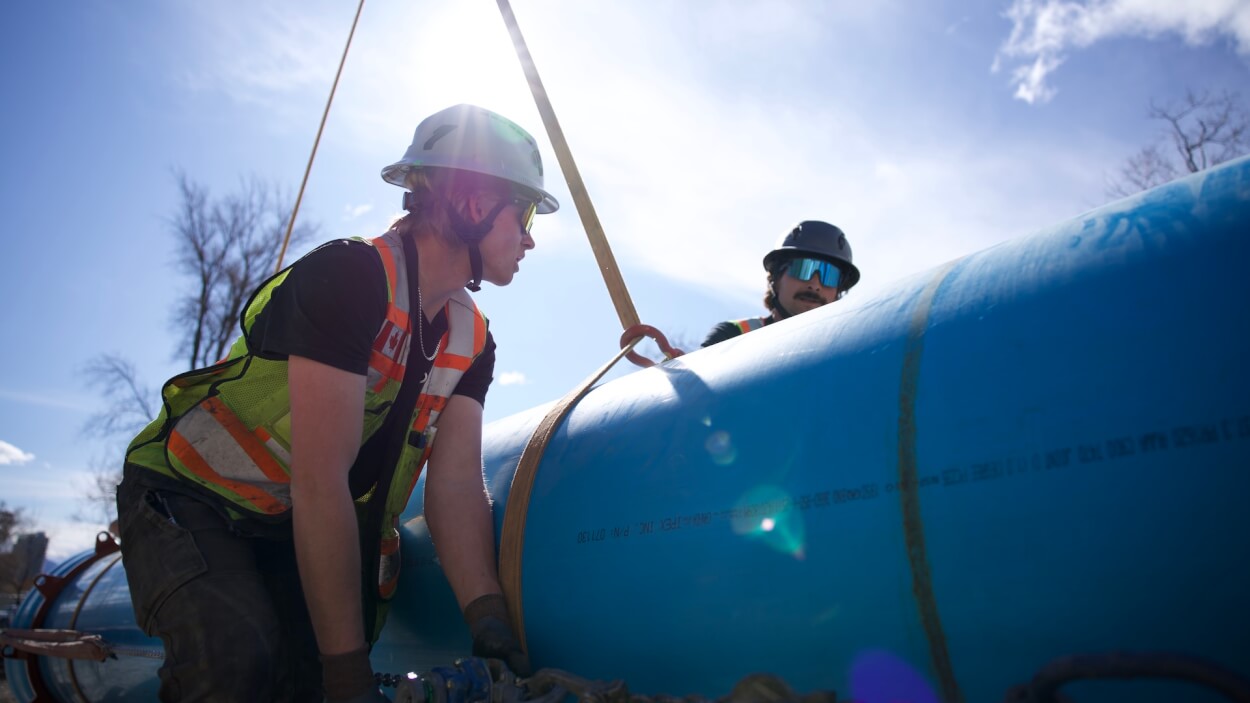
Guest author: Ryan Barnes, CEO & Founder, STUDSON
Construction is a physical profession. That sounds obvious, but the industry’s approach to worker PPE suggests it hasn’t fully registered.
Workers building Canada’s infrastructure lift, climb, operate heavy equipment, and absorb physical stress across long shifts in conditions that are often extreme. The demand on their bodies is real, and it adds up over time. The gear they’re handed at the start of a shift is usually selected on one basis: what meets minimum compliance at the lowest cost per unit. That gear rarely reflects what the job actually demands of the person wearing it.
In action sports, the gap between minimum certification and real performance closed years ago. A skier choosing a helmet cares about impact absorption and its comfort and fit over a full day on the mountain. A cyclist picks gear based on weight and how it holds up under real conditions. They’re also choosing something that reflects who they are. In that world, gear is identity as much as it’s protection. How you show up matters.
Plenty of workers on Canadian construction sites are those same skiers and cyclists. They show up Monday morning already knowing what performance gear feels like, and knowing exactly how far their job site equipment falls short of it. But this isn’t really about that overlap. The physical demands of construction work are athletic by any honest measure. The gear should match that, and so should what it says about the person wearing it.
Call it the industrial athlete standard: the idea that physically demanding work earns physically capable gear. It’s the recognition that the people doing the hardest work deserve equipment engineered to match it, with the same rigour and the same refusal to settle for “meets the minimum.”
The outcomes follow from there. Workers who are proud of their gear wear their gear. Workers who find their helmet uncomfortable or hot find ways around it, and a helmet sitting in a locker protects nobody. The industrial athlete standard is about dignity, but it’s also about a practical reality: performance gear gets worn, and gear that only clears the compliance bar often doesn’t.
Applying that standard to job site head protection changes the questions you ask at the point of selection. Certification is the baseline. What matters more is whether the helmet performs over a full shift in July, and whether your crew will actually keep it on.
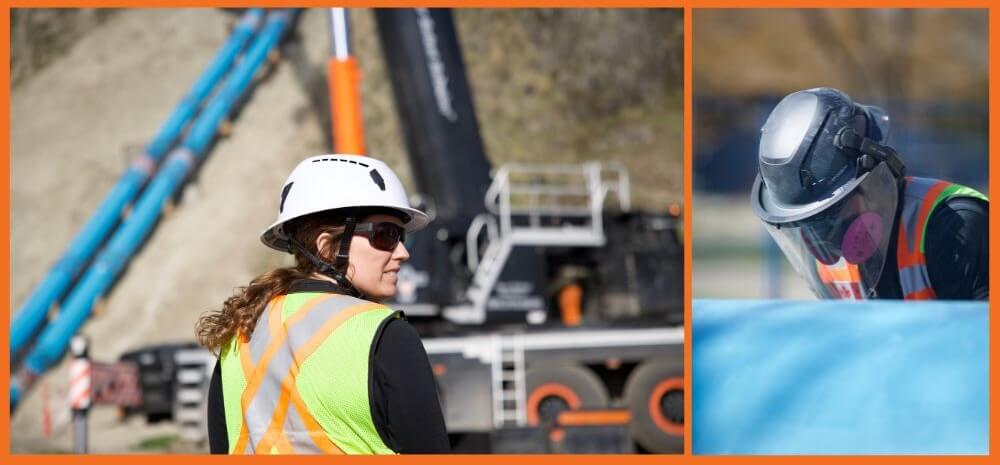
Images: STUDSON
STUDSON builds its Type II safety helmets around the industrial athlete standard. The Koroyd impact system brings the same engineering rigour found in premium action sports helmets to the job site. It crumples on contact to help absorb oblique and angled forces, which may reduce the risk of serious brain injury. The helmet design runs up to 4.5°C cooler, which — at hour seven of a summer shift — is the difference between gear you keep on and gear you don’t. And the Fidlock magnetic buckle closes with one gloved hand, removing the friction that makes people skip the chin strap.
The look is deliberate too. STUDSON builds its safety helmets to look like they are made for someone who takes their work seriously, because image is identity.
The Type II transition moving through construction right now is a defining moment for the industry. How companies approach it, what questions they ask, and what standard they hold themselves to will determine what they get out of it.
Workers who experience gear built to the industrial athlete standard bring a different expectation to the next job site. That expectation follows them. It shapes how they judge a company, and an opportunity worth committing to.
Companies that set the industrial athlete standard tend to attract the workers who live it.
This article was produced in partnership with SiteMedia Content Studio.