
Exclusive Q&A: Inside ANT Equipment Group’s approach to cutting jobsite downtime
We sat down with Mike Langston, COO of ANT Equipment Group, to talk about how the company approaches uptime, why independence from any single manufacturer shapes the way it serves customers, and what’s driving ANT’s growth across Western Canada.
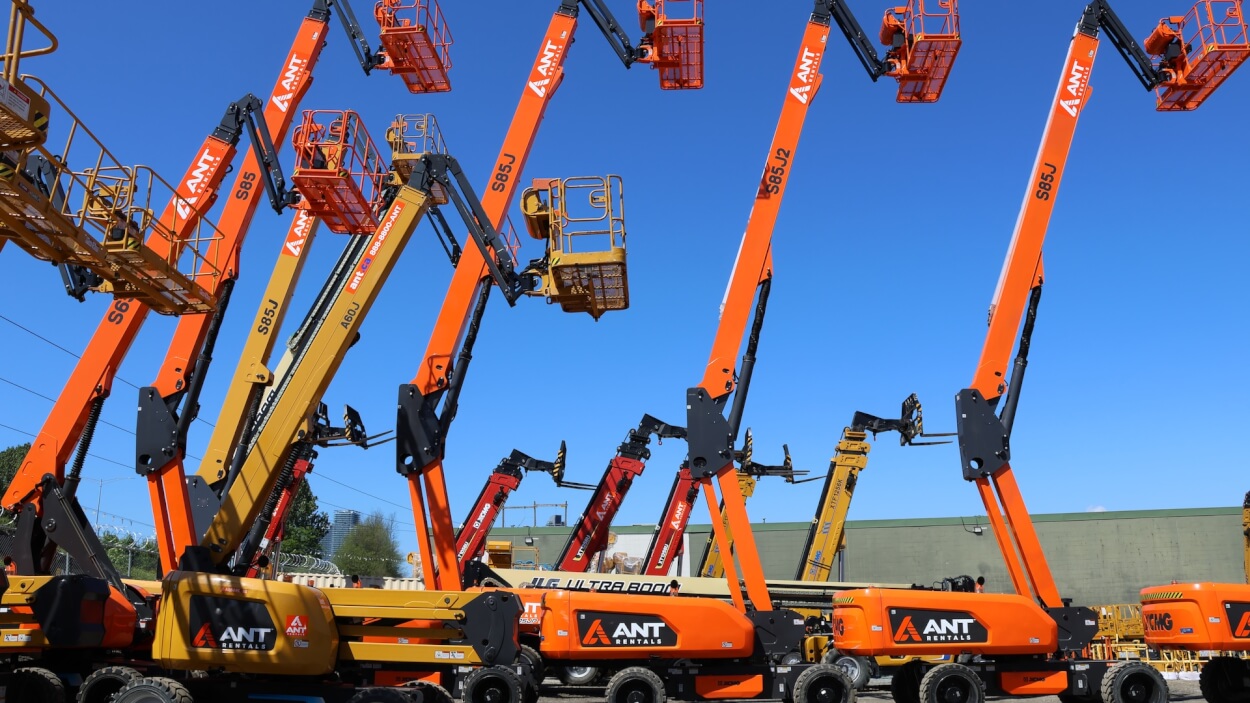
Jobsite downtime is expensive. It can also be avoidable — especially when the equipment on-site was intentionally matched to the job, rather than what simply happened to be available.
We sat down with Mike Langston, Chief Operating Officer of ANT Equipment Group, to talk about how the company approaches uptime, why independence from any single manufacturer shapes the way it serves customers, and what’s driving ANT’s growth across Western Canada.
SiteNews: ANT is Western Canada’s largest independent equipment source. What makes the company different from a typical manufacturer-tied equipment dealer?
Mike Langston: Our independence is one of our biggest strengths. We’re not tied to one manufacturer or one way of doing business. That allows us to look at what our customers actually need and then source the right equipment and solutions for them.
ANT has built strong relationships with several manufacturers across aerial, material handling, and earthmoving equipment, but at the end of the day, our loyalty is to the customer. We can make decisions quickly, invest where we see demand and offer customers more choice.
We also operate as more than a dealer. Rentals, sales, service and parts all work together, so whether a customer needs one machine for a week or is looking to purchase and support an entire fleet, we can take care of them.
SN: What has that independence let ANT build across Western Canada? How has the footprint grown, in practical terms?
Langston: We started in Burnaby, from humble beginnings. From there, we’ve grown into a multi-location equipment company serving customers across Western Canada.
That growth has been driven by customers, rather than simply putting pins on a map. As our customers expanded and asked us to support them in other markets, we followed them. Today we have operations in Vancouver, Kelowna, Calgary and Edmonton, and our footprint continues to grow.
The biggest difference is that we’ve tried to maintain the mentality we had when we were small: answer the phone, react quickly, and find a way to get the customer what they need.
SN: As ANT expands into new regions, how do you make sure service stays consistent for customers?
Langston: People and accountability are everything. You can have a yard full of brand-new equipment, but if you don’t have the people and systems behind it, it doesn’t mean much to the customer.
As we grow, we’re putting a lot of emphasis on clearly defined roles and responsibilities. Everyone needs to understand their job, what they are accountable for, and how their role supports the customer.
We’re also building stronger regional leadership while keeping communication between branches very open. Equipment, technicians and resources can move between locations when needed. The goal is for a customer to receive the same level of urgency and support from ANT, regardless of which branch they’re dealing with.
SN: How does that growth show up in the fleet? What’s driving decisions about what ANT invests in, and when?
Langston: We invest heavily in new equipment, but we don’t want to buy equipment just for the sake of having a bigger fleet. Utilization and customer demand have to drive the decision.
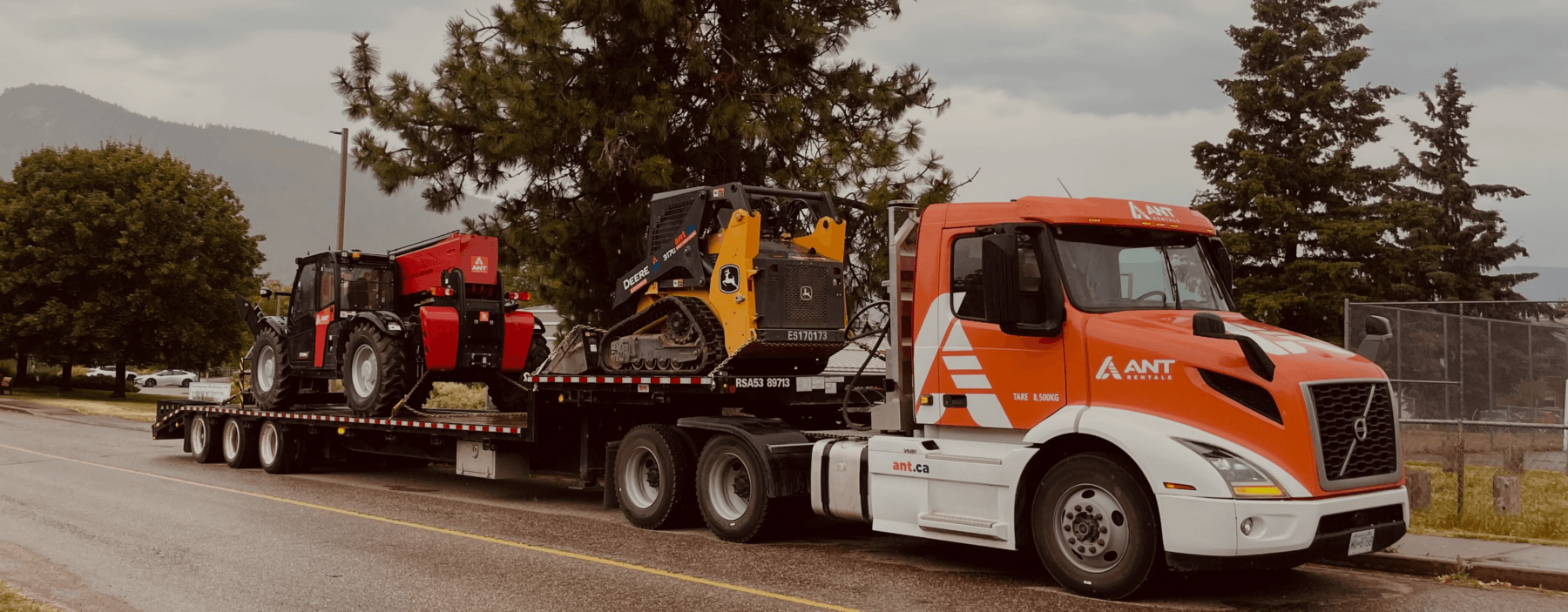
We’re continually looking at what contractors are asking for, where our existing fleet is being utilized, and what equipment categories are developing. That’s led us to build across aerial equipment, telehandlers, forklifts, earthmoving, and more specialized products such as spider and atrium lifts.
Being independent also allows us to move quickly. If we identify a category where our customers need more capacity, we don’t have to wait for a long corporate process. We can make the decision and put capital to work.
SN: What are contractors and developers most focused on right now, and how has that changed what they expect from an equipment partner?
Langston: Customers are extremely focused on productivity, uptime and cost. Equipment sitting on a jobsite because it’s down or because the wrong machine was supplied can become very expensive very quickly.
They also expect more flexibility. Contractors don’t necessarily want to deal with five different companies for five different equipment categories. They want a partner who understands their operation and can provide multiple solutions.
Price will always matter, but service and responsiveness are becoming even more important. When something goes wrong, customers want someone to answer the phone and solve the problem. That’s an area where an independent company like ANT can be very effective.
SN: Is there a recent example of a contractor’s needs changing in a way that pushed ANT to do something differently?
Langston: A good example is the demand we’re seeing for more specialized access equipment. Customers are working in tighter spaces, and on projects where traditional boom and scissor lifts aren’t always the right solution.
That’s one reason we’ve expanded further into spider and atrium lifts and other specialized equipment. We’re also seeing opportunities in areas such as railway applications where compact, lightweight and versatile machines can solve problems that conventional equipment can’t.
Rather than telling a customer, “That’s not something we carry,” we’d rather listen to the application and determine whether it’s something ANT should invest in.

(Mike Langston, COO, ANT Equipment Group)
SN: Looking ahead, what does ANT’s growth plan look like over the next few years?
Langston: We’re still in growth mode, but we want it to be disciplined growth.
Western Canada remains extremely important to us, and there is still a lot of opportunity to expand the depth of our existing operations. At the same time, we’re looking east and developing ANT’s presence in additional Canadian markets.
You’ll also see us continue to broaden the equipment offering. Aerial equipment will remain important, but material handling, earthmoving, and specialized equipment are increasingly significant parts of the business.
The long-term vision is to build ANT into a truly Canadian independent equipment company. We want the scale and resources of a large organization without losing the speed, relationships and entrepreneurial mentality that got us here in the first place.