
Canada’s long history of pipeline hits and misses
With two major new proposals, it’s worth checking the pipes and seeing what’s worked before.
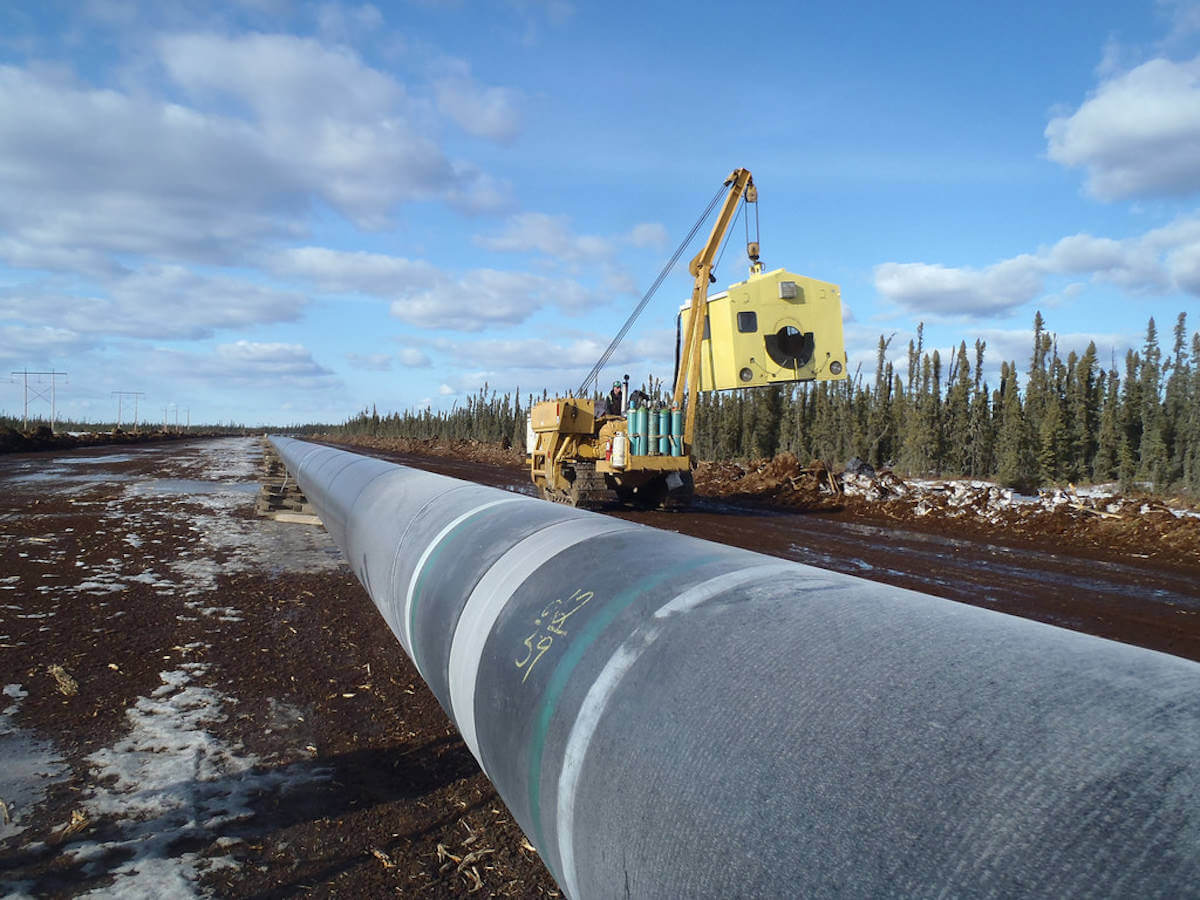
Are Canadian attitudes shifting towards pipeline development after years of stagnation?
In response to growing efforts to reduce trade dependence on the U.S. and enhance domestic energy independence, officials are proposing two major, nation-building pipeline projects. The first is the Northern Shield Energy Corridor, a proposed 3,300-kilometre west-to-east crude oil pipeline championed by Ontario and Alberta that would transport up to 800,000 barrels per day from Hardisty, Alberta, to Sarnia, Ontario, creating a secure domestic supply route entirely within Canadian borders.
The second is the West Coast Oil Pipeline, a newly unveiled west-to-delta project backed by the federal and Alberta governments alongside Trans Mountain Corporation and Pembina Pipeline. This 1,250-kilometre line would run from Bruderheim, Alberta, largely following the existing Trans Mountain corridor, to a massive new marine export terminal at Roberts Bank in Delta, B.C., moving 1 million barrels of crude oil per day to rapidly growing Asian markets while strictly maintaining the federal tanker ban along B.C.’s northern coast.
While the fate of these projects proposals remains to be seen, it’s worth taking a stroll through Canada’s pipeline history to date to see how other projects have fared.
Alaska Highway Gas Pipeline project
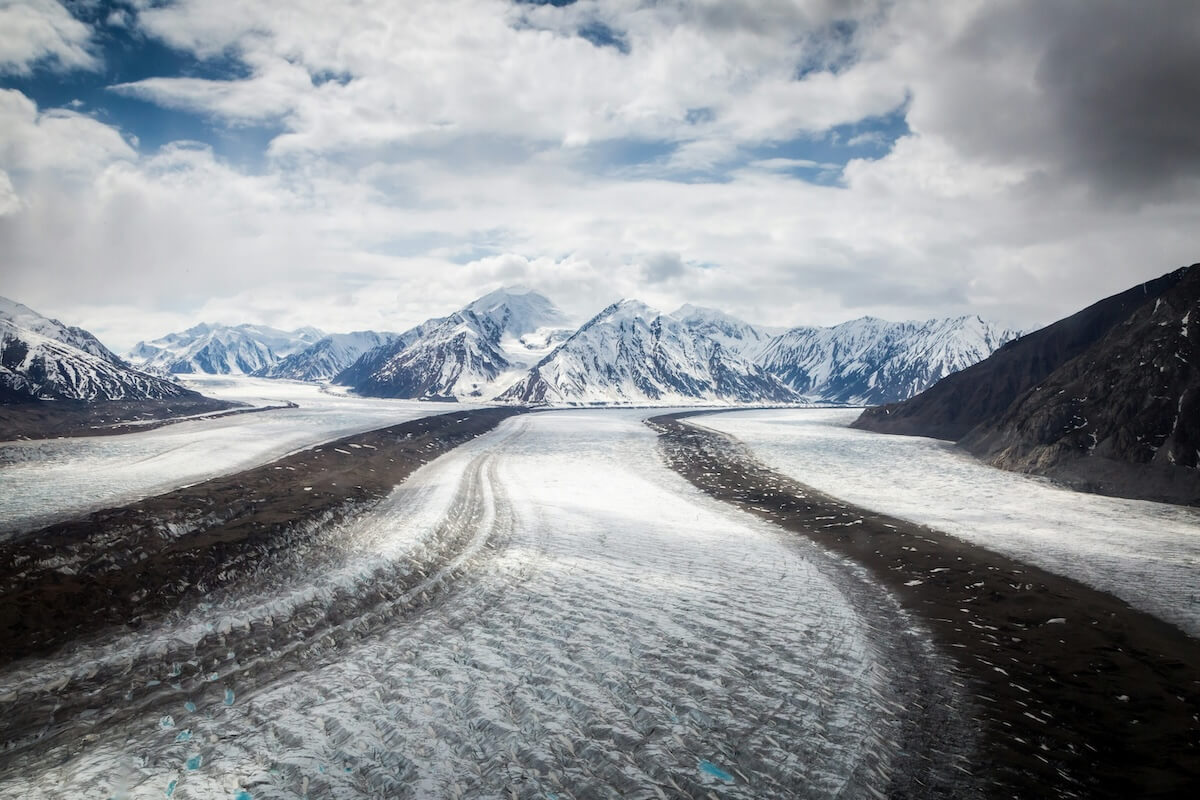
This concept stands as the archetype of the early 1970s northern gas megaproject, originally envisioned as a massive natural gas export network running from Alaska through the Yukon and Alberta to U.S. markets. The project was spearheaded by a consortium of major utilities of the era, including Foothills Pipe Lines, and was designed to utilize a regulated utility-style delivery model rather than a modern public-private partnership (P3). While the ambitious northern section stalled out as international energy economics weakened, regulatory hurdles mounted, and long-term gas markets softened, the southern “pre-build” portion in Alberta and Saskatchewan was successfully completed and operational by 1982. In that same year, project proponents officially deferred the northern stage due to unfavorable market conditions, and it was ultimately shelved indefinitely.
Mackenzie Valley Pipeline
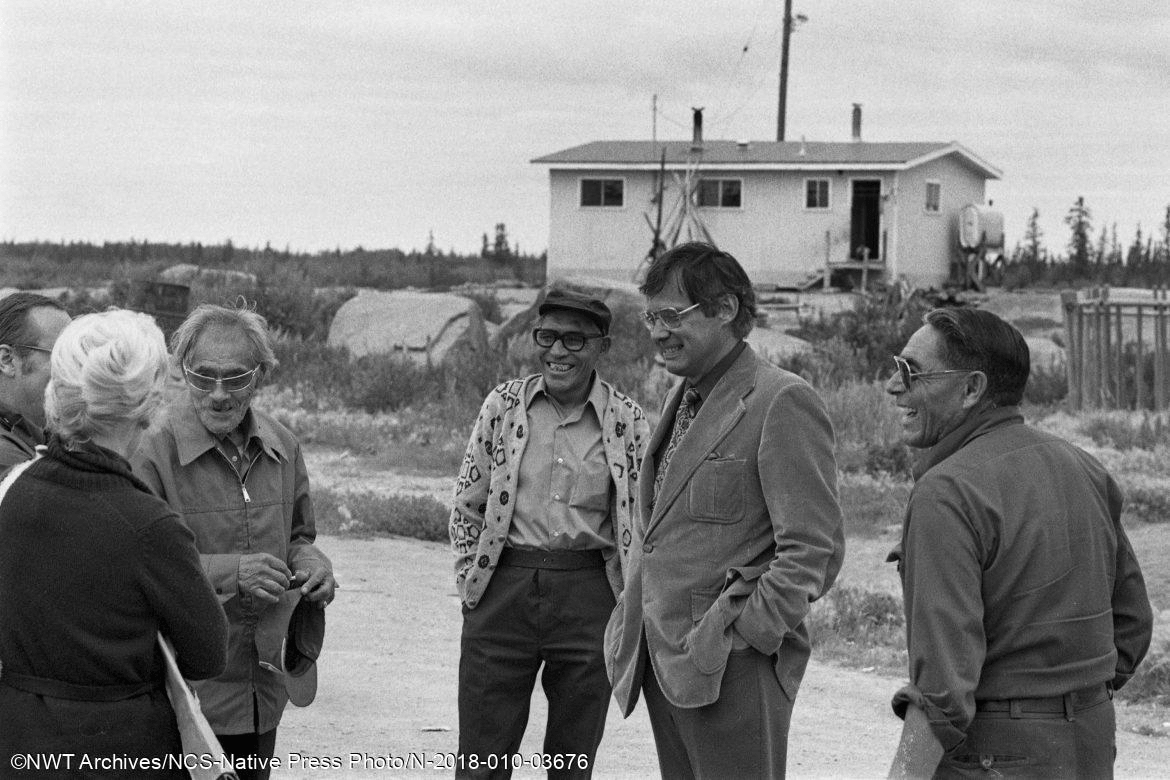
The Mackenzie Valley pipeline is a classic study in how a major resource project can be stopped entirely by the intersection of engineering challenges, Indigenous rights, and land-claims politics. Championed in the 1970s and revived in the early 2000s by a private consortium led by Imperial Oil alongside ConocoPhillips, Shell, and the Mackenzie Valley Aboriginal Pipeline Limited Partnership, this project was structured as a traditional privately sponsored regulated pipeline under federal oversight. The definitive turning point occurred in 1977 when the landmark Berger Inquiry concluded that the project should be delayed for a decade to allow regional land claims to be settled, a decision that permanently altered the landscape of northern infrastructure development. Although a revived iteration of the project eventually secured federal regulatory approval in 2011, the joint-venture partnership officially abandoned the project in 2017 due to an abundance of cheaper North American shale gas and a regulatory process that had far outpaced its expected timeline.
Trans Mountain Pipeline

The original Trans Mountain pipeline stands out as one of the few true postwar Canadian pipeline success stories, representing a monumental feat of mid-century engineering. Chartered in 1951, the project was executed as a conventional owner-developer build by the Trans Mountain Oil Pipe Line Company, with construction wrapping up in 1953 after a famously rapid 30-month timeline that successfully pushed oil to the terminal in Burnaby, B.C. Ownership of this vital corridor shifted significantly across the decades, notably being acquired by Houston-based Kinder Morgan in 2005 before the federal government stepped in to purchase the entire asset and its expansion project in 2018 for $4.5 billion, transferring it to the federal Crown entity, Trans Mountain Corporation. The speed of the original 1950s build remains a benchmark for rapid linear construction.
Trans Mountain Expansion (TMX)

The Trans Mountain Expansion stands as the most critical modern reference point for Canadian pipeline delivery, cost-growth, and modern regulatory realities. Initially filed by private owner Kinder Morgan in 2013 with an optimistic projected capital cost of $5.4 billion, the budget underwent a series of massive escalations as it climbed to $6.8 billion, $12.6 billion, $21.4 billion, and ultimately topped out at a staggering final cost of $34 billion. The delivery model saw a massive mid-project evolution when the federal government purchased the asset in 2018 to save it from cancellation, shifting it from a private build to a federally owned megaproject executed by the Trans Mountain Corporation using massive, conventional engineering, procurement, and construction (EPC) packages. Although the project missed its early commercial in-service targets by several years due to legal challenges, intense consultation processes, and labor shortages, it officially completed construction and entered full commercial operation in 2024, utilizing distinctive engineering solutions including major route adjustments, specialized tunneling under Burnaby Mountain, and complex regulatory variances to overcome hard-rock drilling obstacles in B.C.
Northern Gateway
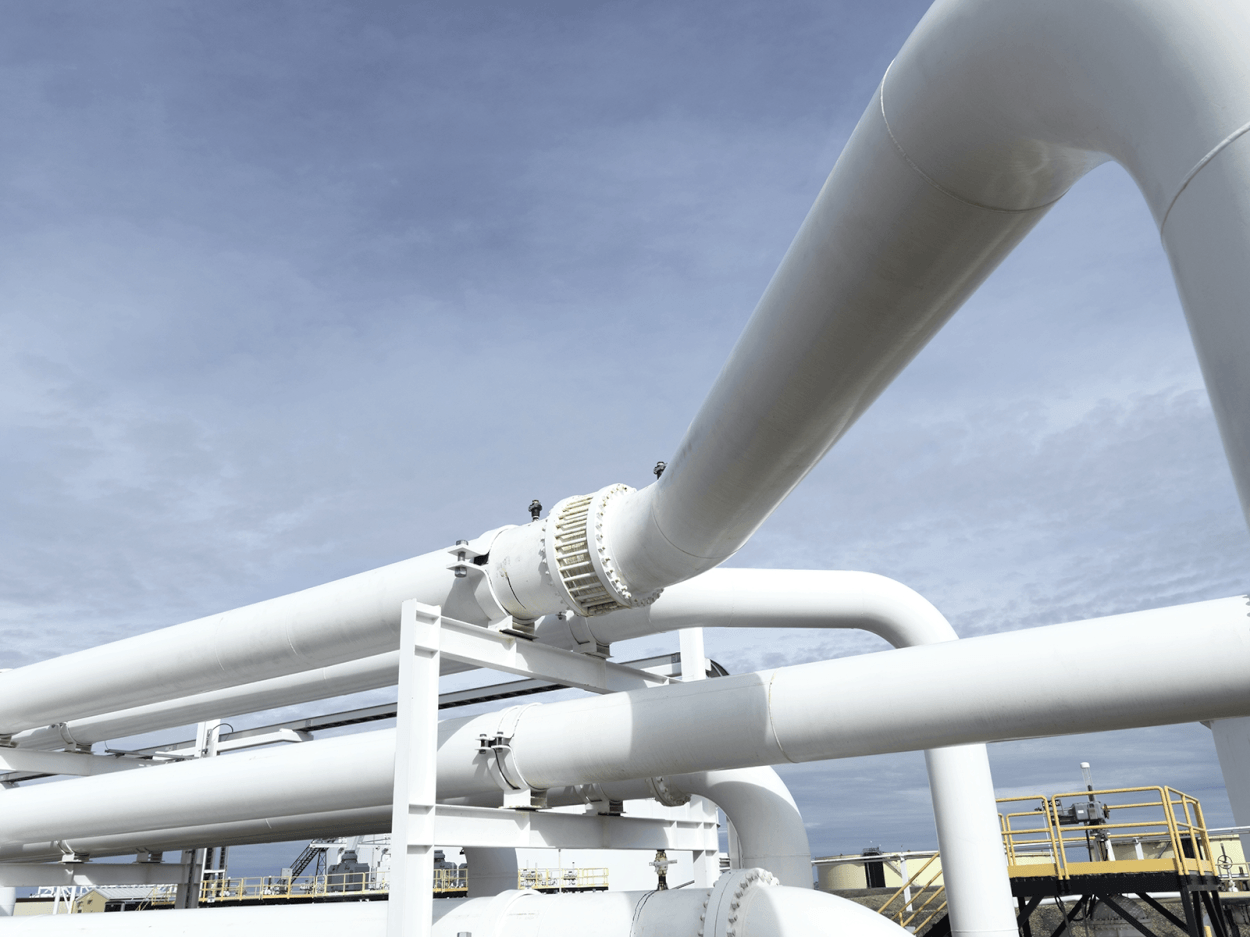
Proposed as a twin pipeline system designed to move Alberta crude west to a deep-water marine terminal in Kitimat, British Columbia, Northern Gateway became one of the most fiercely contested environmental and political battles of the 2010s. The project was led entirely by Enbridge as a privately sponsored, regulated pipeline proposal subject to the standard federal joint review panel process, completely avoiding a P3 structure. The project achieved initial regulatory approval in 2014, but its legal vulnerabilities were exposed in 2016 when the Federal Court of Appeal quashed the approval due to insufficient Indigenous consultation. Later in 2016, the federal government officially rejected the project on the grounds that it was not in the public interest, bringing a permanent end to the proposal.
Keystone XL
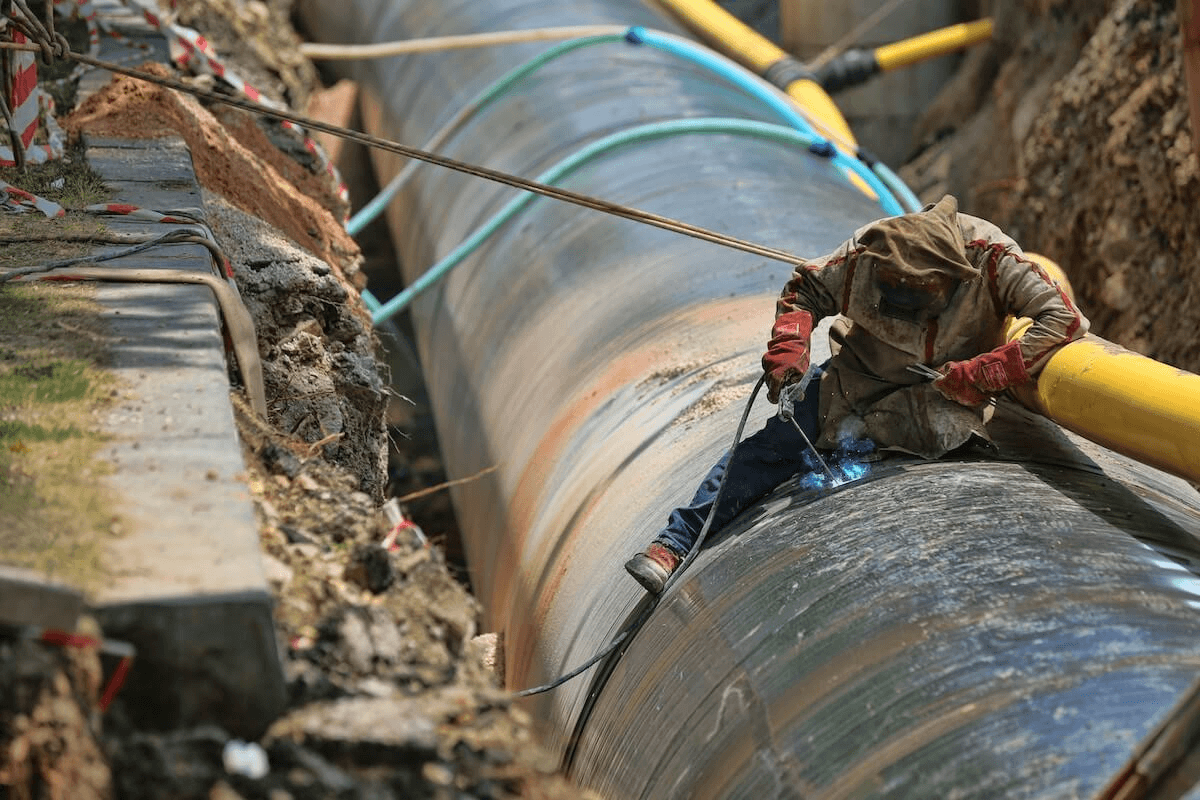
Keystone XL was designed as a massive cross-border extension intended to transport heavy Canadian crude directly into the U.S. Gulf Coast refining system, ultimately becoming the most internationally politicized pipeline project in North American history. Sponsored by TC Energy, the project followed a traditional privately led, regulated asset model requiring parallel approvals from both Canadian regulators and the U.S. federal government. The project timeline became caught in an extraordinary political volley between successive U.S. presidential administrations, suffering its first major rejection when the Obama administration revoked its permit in 2015, being reinstated by the Trump administration in 2017, and advancing through fits of partial construction before being permanently cancelled in 2021 when the Biden administration revoked the U.S. presidential permit for good. While public sources widely document immense budget escalation and billions of dollars in stranded capital over its prolonged lifespan, the abrupt political termination in 2021 means no single authoritative Canadian source outlines a finalized, delivered actual cost for the uncompleted line.
Energy East

Energy East was an ambitious, nation-spanning proposal first introduced in 2013 that sought to convert existing natural gas infrastructure and build new pipeline segments to move western Canadian crude eastward to Atlantic tidewater in New Brunswick. Led by TC Energy, this mega-project was structured as a privately sponsored regulated pipeline rather than a P3 concession, focusing heavily on utilizing existing linear assets to access new international refining markets. The project was officially abandoned by its sponsor in 2017 before securing final regulatory approvals, largely driven by changing global market dynamics, escalating regulatory requirements regarding downstream emissions, and intense political opposition within Quebec.
Line 3 Replacement
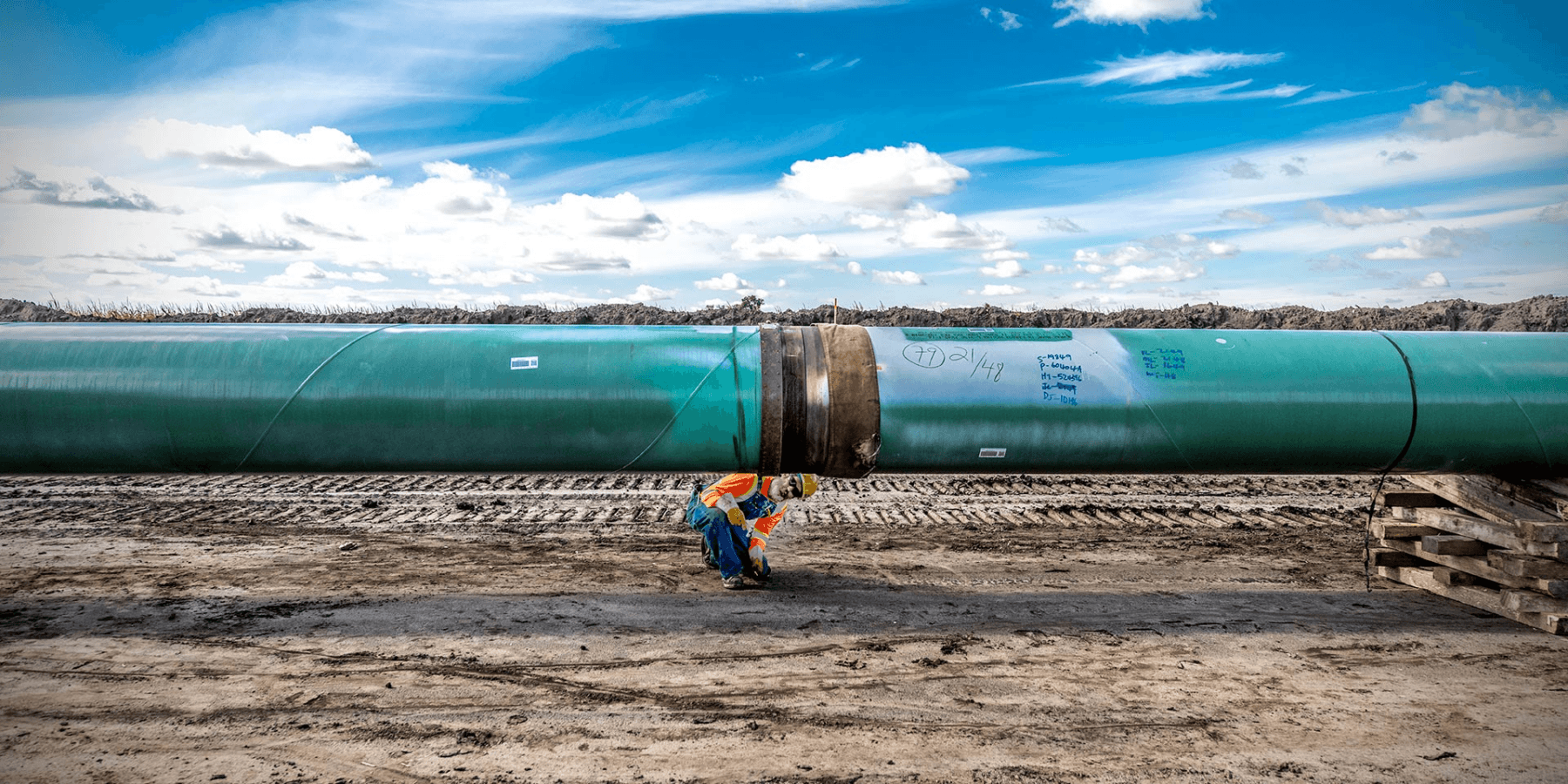
Enbridge’s Line 3 Replacement Program represents a critical success story that highlights the unique nature of brownfield asset management, focusing on replacing an aging existing line rather than carving out an entirely new greenfield corridor. Financed and operated entirely by Enbridge under a standard regulated utility framework, the multi-billion-dollar project replaced thousands of kilometers of pipeline across Canada and the United States. The Canadian segment of this major crude pipeline project was successfully completed and placed into full commercial production in 2019. Following extensive legal and regulatory delays across the border, the U.S. segment was finally completed and the entire cross-border line became fully operational in 2021.
Enbridge Mainline System (and the Line 5 Straits of Mackinac Tunnel)
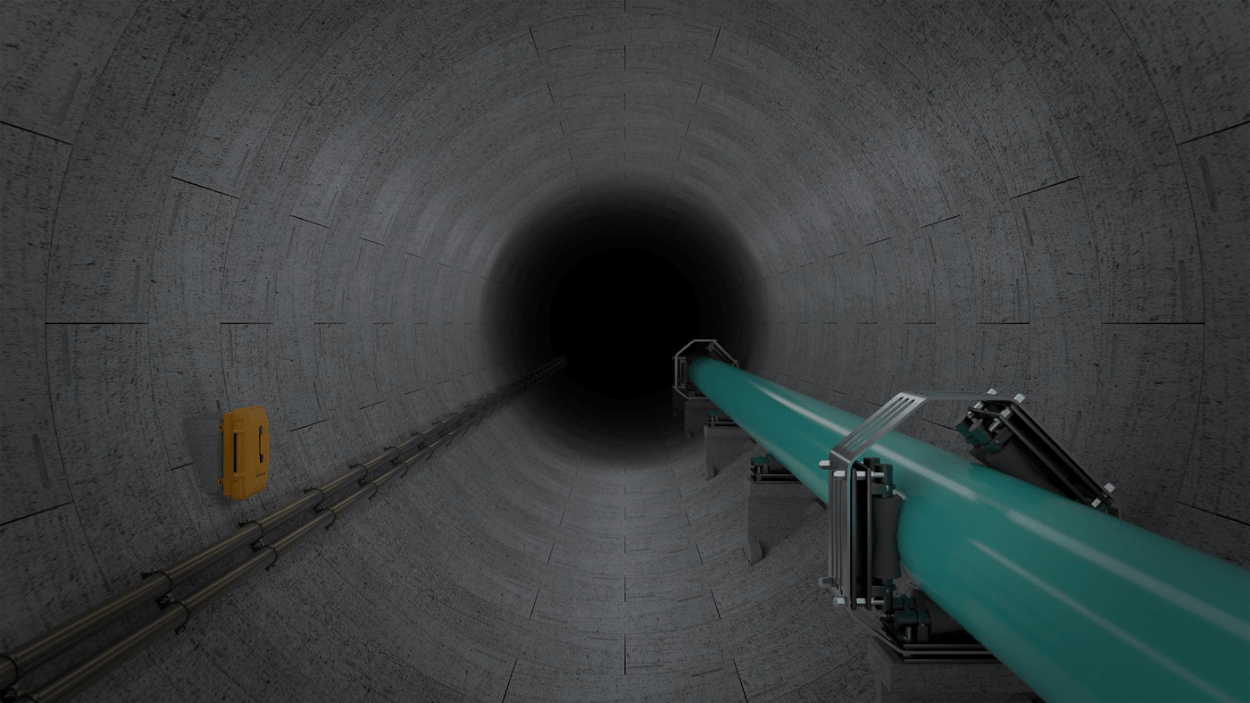
The Enbridge Mainline is the undisputed backbone of Canadian energy infrastructure, originating in the 1950s as the Interprovincial Pipe Line and evolving over decades into the world’s largest crude oil and liquids transportation network. Operated by Enbridge under a traditional regulated utility framework, this multi-billion-dollar corridor spans thousands of kilometres from western Canada to the U.S. Midwest and eastern Canada, serving as the steady lifeblood of domestic refining. A critical, deeply politicized segment of this system is Line 5, which transports crude oil and natural gas liquids through Michigan to Sarnia, Ontario. In 2018, Enbridge struck a historic agreement with the State of Michigan to build the multi-billion-dollar Straits of Mackinac Protection Tunnel—a massive engineering and tunneling megaproject designed to house a replacement section of the pipeline deep beneath the lakebed to mitigate environmental risks. However, the project has been locked in a fierce, multi-year legal and regulatory battle with state leadership attempting to shut down the line entirely. This persistent threat of a cross-border shutdown heavily influenced the dramatic 2026 announcement by the Alberta and Ontario governments to study a sovereign domestic pipeline bypass.
Alliance Pipeline
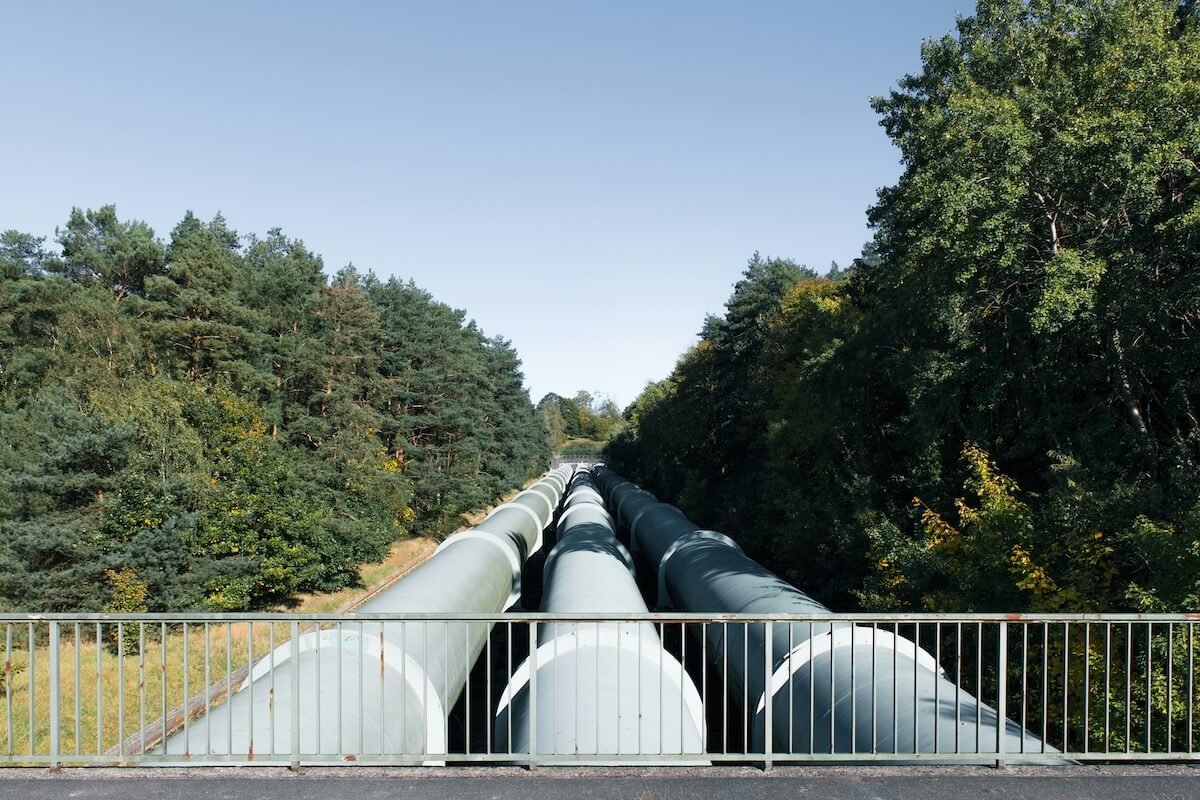
The Alliance Pipeline was designed as a high-pressure natural gas megaproject stretching roughly 3,000 kilometres from northeastern B.C. and northwestern Alberta all the way to the Chicago area. Developed by a joint venture consortium and currently co-owned by Enbridge and Pembina Pipeline Corporation, the project was executed as a conventional corporate-led utility build rather than a public-private partnership. Construction crews achieved full commercial in-service in 2000, delivering the system on a rapid timeline that defied the intense geographic and regulatory challenges of moving gas across multiple provinces and international borders. The project was highly distinct for its engineering model, utilizing an innovative, high-pressure design that allowed for the efficient transport of rich natural gas without requiring intermediate processing plants along the route.
TC Energy NGTL System Expansions

While often overshadowed by standalone greenfield corridors, TC Energy’s Nova Gas Transmission Ltd. (NGTL) system represents the unsung, multi-billion-dollar backbone of the Western Canadian natural gas construction sector. Operating under a traditional regulated utility model, this massive infrastructure network acts as the primary gathering system within Alberta and northeastern B.C., feeding major export lines like Coastal GasLink. Rather than a single historical build, the system’s history is defined by a continuous rolling wave of massive expansion programs. A key modern benchmark was the multi-billion-dollar NGTL 2021 System Expansion Project, which received its final federal cabinet approval in 2020 and achieved full commercial operation in 2022 after navigating complex regulatory reviews, intense Indigenous consultation, and pandemic-related labor disruptions.