
Alberta reveals oil pipeline plans for B.C.’s southwest coast
Employment impacts could peak at 140,000 jobs during the height of construction.
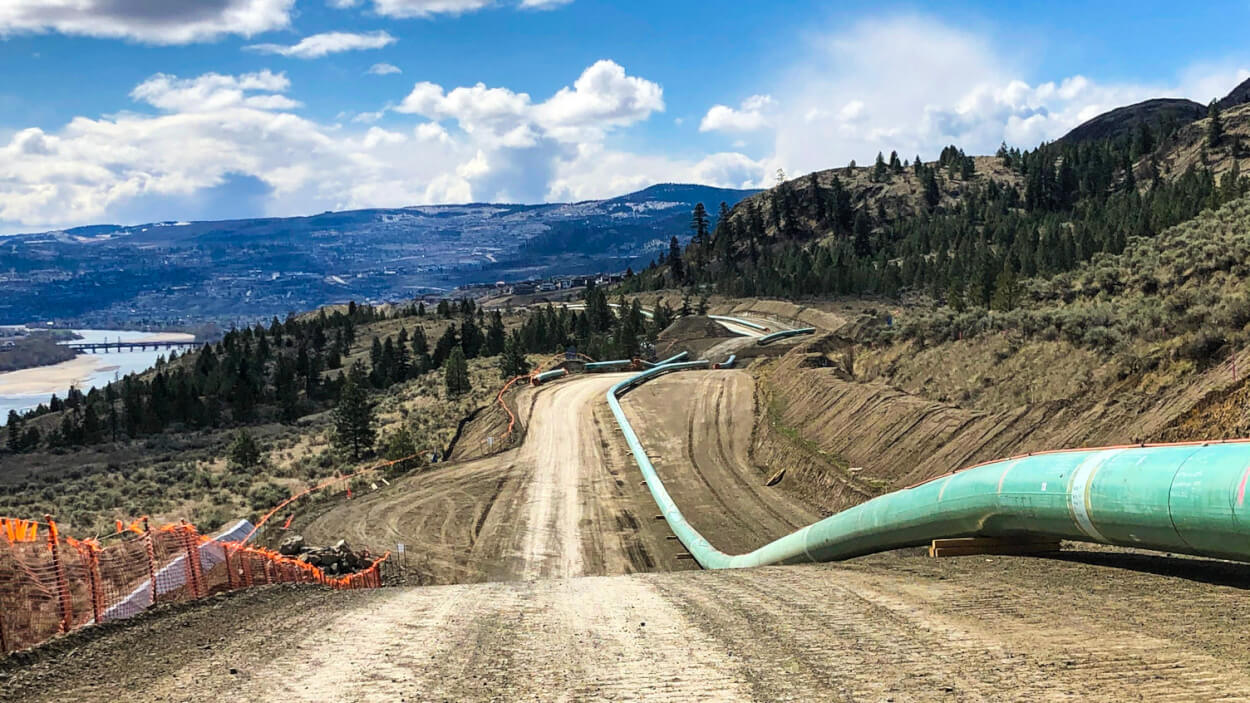
The federal government and the Province of Alberta have unveiled a landmark proposal for the West Coast Oil Pipeline, a massive new interprovincial project designed to carry more than one million barrels of oil per day to British Columbia’s southwest coast for export to growing Asian markets.
The mega-project represents a unprecedented alignment between Edmonton and Ottawa, fusing Alberta’s ambitions to double its crude production with federal goals of diversification and economic sovereignty.
The pipeline will be built via a novel public-private-Indigenous partnership model, primarily utilizing the existing Trans Mountain corridor to bypass a northern tanker ban. Construction is projected to start as early as Sept. 1, 2027, provided the project secures an expedited federal “national interest” designation by October of this year.
A Strategic Southern Route
After evaluating both northern and southern routing options, the Alberta government selected a southern corridor running from a central storage and measurement hub in Bruderheim, Alberta, across southern B.C. to a deep-water, VLCC-capable marine terminal. Specifically, officials say this would be the Roberts Bank Terminal in Delta, B.C.
By hugging the existing Trans Mountain pipeline footprint, proponents expect to dramatically lower regulatory and logistical hurdles while minimizing new environmental disruptions. Crucially, the southern destination ensures the project bypasses the federal Oil Tanker Moratorium Act (Bill C-48), which bars crude tankers from B.C.’s northern coast.

“Canada has everything it needs to become an energy superpower, but only if we build the infrastructure to get our resources to market,” Alberta Premier Danielle Smith said in a statement. “A west coast oil pipeline will create tens of thousands of jobs, generate tens of billions in new provincial and federal revenues and make Canada more secure and self-reliant.”
The economic windfall is expected to be immediate. According to federal background documents, employment could peak at 140,000 direct and indirect jobs during the height of construction—including 70,000 in British Columbia and 45,000 in Alberta. Once operational, the project is forecast to sustain an average of 50,000 jobs nationwide.
The Public-Private-Indigenous Partnership
In a dramatic shift from traditional infrastructure models, the pipeline will be spearheaded by a newly formed, jointly owned company uniting the public sector, private industry, and First Nations equity.
Ownership Breakdown
- Trans Mountain Corporation (TMC) & Alberta Petroleum Marketing Commission (APMC): Will split equal shares of the project’s baseline ownership. TMC will take the lead on project execution, permitting, and eventual operation.
- Pembina Pipeline Corporation: Will hold a 10% economic interest through the construction phase, with an option to expand its stake up to 20% once commercial operations begin. Pembina will inject private-sector capital discipline, engineering, and governance expertise.
- Indigenous Communities: Will hold a “real and meaningful” equity purchase right.
To ensure economic reconciliation is baked into the project, the Indigenous equity stakes will be drawn equally from Canada and Alberta’s holdings. Financing will be backed by the Alberta Indigenous Opportunities Corporation (AIOC) and the federal Canadian Indigenous Loan Guarantee Program.
The Carbon Capture Quid Pro Quo
The pipeline project is the crown jewel of a broader, transformative pact. Alongside the infrastructure proposal, Canada, Alberta, and the Oil Sands Alliance—comprising major players Canadian Natural Resources Ltd., Suncor Energy, Cenovus, Imperial Oil, and ConocoPhillips—are finalizing a tripartite agreement to scale up production while strictly curbing emissions.
The upcoming agreement establishes a clear policy trade-off:
- Production Growth: Governments will implement regulatory reforms and growth incentives to help fill the new pipeline and help Alberta reach its target of 8 million barrels per day over the next decade.
- Emissions Targets: The Oil Sands Alliance commits to cutting 16 million tonnes of emissions annually (Mtpa). This includes 6 Mtpa via the massive Pathways Carbon Capture and Storage (CCS) project by 2035, and an additional 10 Mtpa via subsequent expansions and technology rollouts deployed through 2045.
- The Carbon Tax Incentive: In exchange for hitting these strict targets, compliant oil sands producers will see their carbon tax stringency rate rise by just 1% annually instead of the standard 2%.
“We believe we’ve achieved a framework where the governments are providing the necessary conditions for our companies to both grow production and to build the Pathways Project,” said Kendall Dilling, president of the Oil Sands Alliance.
Fast-Tracked Regulatory Timeline
The federal government has immediately referred the proposal to its Major Projects Office (MPO). Under the framework of the Building Canada Act, Ottawa is aiming to officially declare the pipeline a project of “national interest” by Oct. 1, 2026, triggering a streamlined, fast-tracked regulatory review.
While the project relies on the existing southern corridor to ease interprovincial friction, the federal government noted that immediate consultations are beginning with Indigenous groups, provinces, and territories—including ongoing engagement with the Government of British Columbia regarding the economic benefits bound for the West Coast.